-
Whatsapp: +86 15938761000
-
Email: likang@shconcretemixer.com
-
Address: Shenglong Youyi City, Zhongyuan District, Zhengzhou City, Henan Province
-
Whatsapp: +86 15938761000
-
Email: likang@shconcretemixer.com
-
Address: Shenglong Youyi City, Zhongyuan District, Zhengzhou City, Henan Province

Trailer vs. Boom Concrete Pumps: Cost and Project Application Analysis
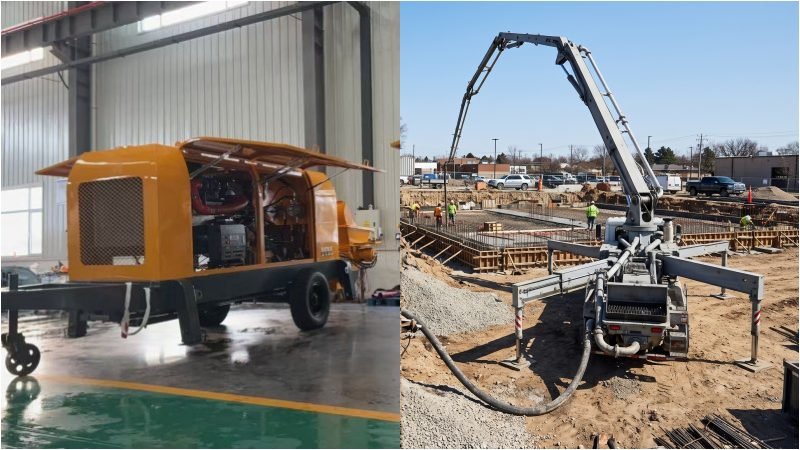
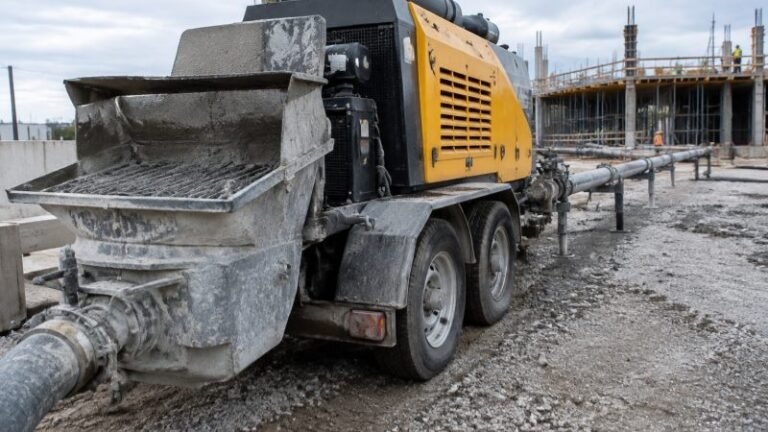
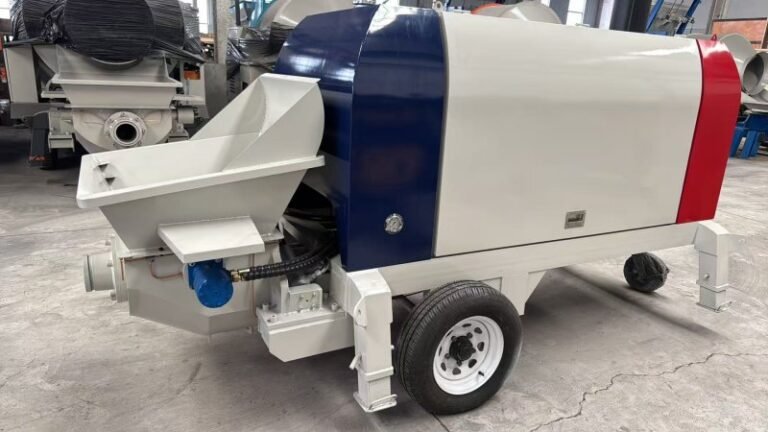
Trailer pumps and boom pumps aren’t just different sizes; they represent entirely different operational strategies. Standard trailer pumps are your cost-effective workhorses for residential and tight-access pours. Boom pumps, on the other hand, require a massive upfront investment but deliver the automated setup and raw output needed to keep commercial projects on schedule. And when it comes to extreme high-rises or deep tunnels, heavy-duty trailer pumps take over where booms physically can’t reach.
Initial Investment and Operational Costs
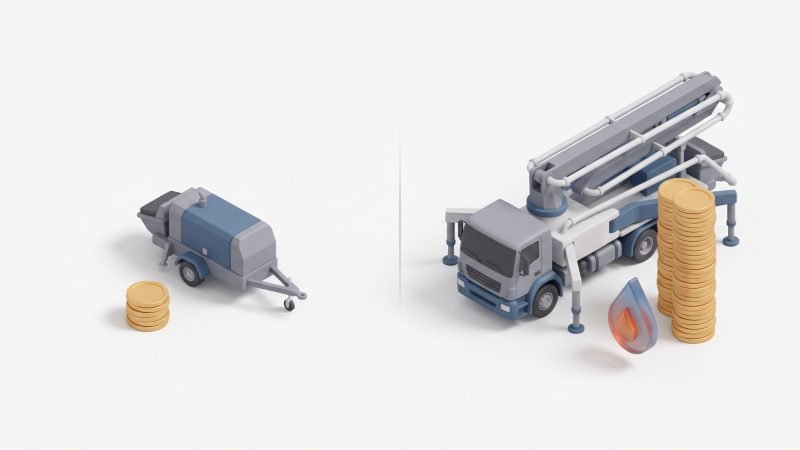
The cost difference between trailer and boom pumps comes down to capital outlay and mechanical complexity. You are either buying a self-contained pumping unit or a heavy-duty commercial truck integrated with a highly articulated hydraulic robotic arm.
Upfront Purchase Price
Acquiring a boom pump usually means taking on commercial equipment financing and dealing with higher insurance premiums based on the asset’s valuation. Standard trailer pumps present a much lower barrier to entry. Many contractors buy them out-of-pocket or use short-term loans, achieving a much faster return on investment (ROI) per asset.
| Equipment Type | Condition | Estimated Purchase Price (USD) | Primary Cost Drivers |
|---|---|---|---|
| Trailer Pump (Standard) | Used | $15,000 – $30,000 | Output capacity, engine condition |
| Trailer Pump (Standard) | New | $30,000 – $80,000 | Pumping pressure, Tier 4 Final engine compliance |
| Trailer Pump (Heavy-Duty/High-Pressure) | New | $150,000 – $300,000+ | Twin-engine setups, extreme pumping pressure, high-rise capability |
| Boom Pump | Used | $80,000 – $180,000 | Boom length, truck mileage, pump hours |
| Boom Pump | New | $150,000 – $500,000+ | Boom reach (20m to 60m+), multi-axle chassis type |
Routine Maintenance and Wear Parts
Maintenance budgets look completely different depending on the pump’s mechanical footprint.
A trailer pump’s wear profile is a lot like a stationary jaw crusher—it’s all about managing direct, abrasive contact. Your maintenance budget will primarily go toward replacing components that physically grind against the aggregate.
Key wear parts for trailer pumps include:
- Spectacle wear plates and cutting rings: Need resurfacing or swapping out based on the yardage pumped.
- Delivery cylinders and piston rams: Constantly prone to scoring.
- Slicklines and rubber hoses: Hoses dragged across abrasive ground degrade rapidly and require steady inventory replenishment.
Boom pumps share those exact same hopper and valve wear parts, but they add the massive maintenance overhead of a mobile crane. The articulated boom requires strict structural fatigue monitoring.
Key maintenance expenses exclusive to boom pumps include:
- Hydraulic systems: Boom pumps hold hundreds of gallons of hydraulic fluid, meaning fluid swaps and filtration are expensive maintenance line items.
- Slewing gears and proportional valves: The components that rotate and articulate the boom are highly sensitive to contamination.
- Chassis and DOT maintenance: The truck itself needs standard heavy-vehicle upkeep—brakes, tires, and complex emissions systems.
Fuel Consumption and Power Requirements
Fuel is your biggest daily operating expense. Standard trailer pumps run off standalone diesel engines (typically 50 to 120 HP). Because this engine only powers the concrete pump, fuel efficiency is excellent. Expect a standard mid-range trailer pump to burn about 1.5 to 2.5 gallons of diesel per hour. (Note: Heavy-duty high-pressure trailer pumps used on skyscrapers run twin 200-400+ HP engines, which changes the fuel math entirely).
Boom pumps operate off the truck’s Power Take-Off (PTO). A 350-500+ HP heavy truck engine has to run continuously to drive both the pumping mechanism and the heavy hydraulic boom. Pushing low-slump concrete while holding a 40-meter steel structure in the air requires serious torque. Under continuous heavy load, a mid-to-large boom pump will easily burn through 5.0 to 9.0+ gallons of diesel per hour. Add in the highway fuel costs of driving a multi-axle truck to the site, and the fuel disparity widens significantly.
Matching Equipment to Project Volume
Volume and placement speed dictate the machine. Standard trailer pumps max out around 20 to 80 cubic yards per hour, making them perfect for residential work. Boom pumps can push 150+ yards per hour, keeping up with fast-paced commercial pours.
Low-Volume Residential Foundations
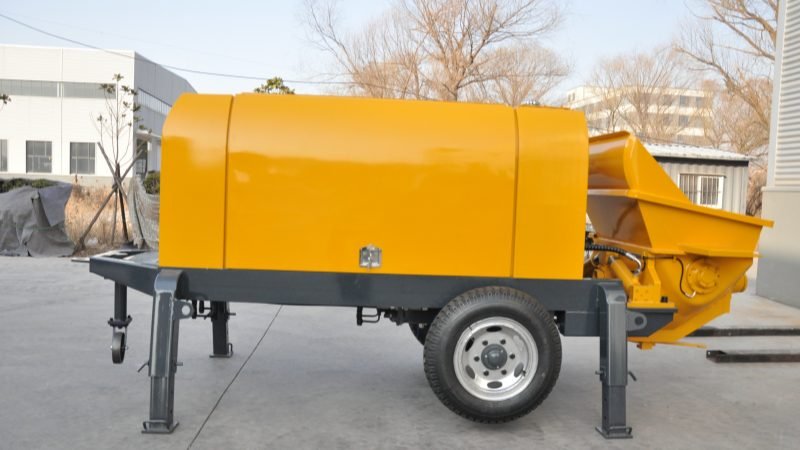
Residential jobs rarely exceed 50 cubic yards per pour. On these sites, you have to match the pump’s output to the finishing crew’s pace. If you pump faster than the crew can screed, the concrete cures in the forms.
Standard trailer pumps feature smaller material cylinders (usually 6 to 8 inches) and lower stroke rates. Running a trailer pump on a residential slab is a lot like using a skid-steer loader for precision grading—you have total control over the flow and won’t overwhelm your crew. They are the go-to choice for monolithic residential slabs, footings, driveway extensions, and masonry block grouting.
High-Volume Commercial and Mega-Projects
When you are pouring a massive commercial mat foundation or a bridge deck, delays create cold joints. Boom pumps use large-diameter cylinders (9 to 11 inches) to cycle heavy, low-slump commercial mixes fast. To hit 150 yards an hour, a boom pump essentially drains a standard ready-mix truck every four minutes.
However, there is a persistent industry myth that massive infrastructure always means boom pumps. Booms are strictly limited by their physical reach, capping out around 60 to 80 meters. If you are pumping an ultra-high-rise skyscraper (like the Burj Khalifa) or pushing thousands of feet horizontally through a transit tunnel, boom pumps are useless. That territory strictly belongs to the heavy-duty, high-pressure trailer pumps mentioned in the table above. Paired with independent placing booms or extensive slickline networks, these stationary beasts are the only viable way to push concrete extreme distances.
Navigating Job Site Space and Accessibility
The physical footprint of the equipment often makes the pump decision for you.
Ground-Level Pours in Tight Urban Spaces
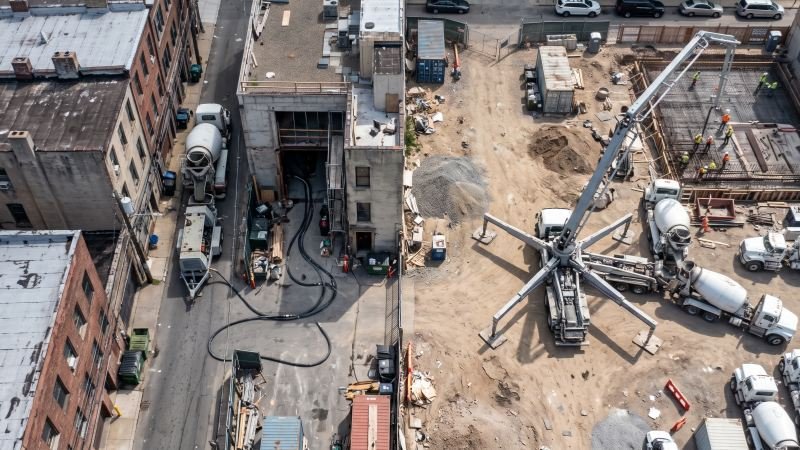
Trailer pumps are the mini-excavators of the concrete pumping world. They thrive in tight urban lots and enclosed backyards because the prime mover stays parked on the street. You only need to route the modular steel pipes and heavy rubber hoses into the work zone.
- Minimal Footprint: The pump takes up about as much curb space as a heavy-duty pickup.
- Interior Access: You can snake hoses through doorways, into basements, or operate inside parking garages with low overhead clearance where boom deployment is impossible.
Reaching Elevated Structures and Bypassing Obstacles
When the pour zone is elevated, deep in an excavation, or blocked by muddy terrain that would swallow ground hoses, boom pumps are engineered to solve the problem. Using Z-fold or Roll-fold hydraulic booms, these trucks can reach right over a two-story roof to pour a backyard pool.
But that reach demands serious real estate. The truck requires a massive footprint for its heavy hydraulic outriggers to stabilize the chassis against the shifting weight of the boom. You need solid, compacted staging ground (often requiring crane mats) and strict adherence to OSHA safety clearances around overhead power lines.
Setup Speed and Labor Requirements
This is where the upfront cost of a boom pump pays you back in daily operational efficiency.
Deployment and Hose Routing
Setting up a boom pump is a lot like operating a self-erecting tower crane. The operator arrives, extends the outriggers, and unfolds the boom via remote control. Aside from priming the hopper with slurry, the system is ready to pump concrete in 15 to 30 minutes.
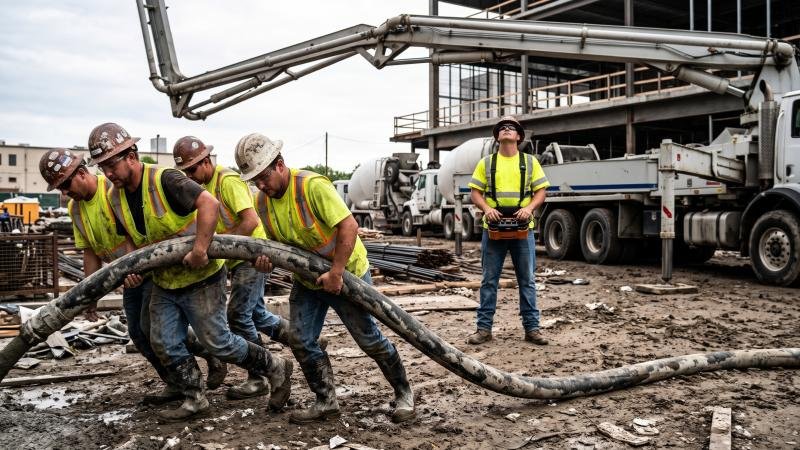
Trailer pump setup is highly manual. The crew has to offload 10-foot sections of steel slickline and heavy hoses, route them across the site, and secure them.
Safety critical note: Laying a trailer pump line requires strict anchoring. You cannot rely solely on snap clamps to hold the line together. The immense hydraulic pulses and violent recoil generated when the pump strokes reverse will instantly fracture unanchored clamps. The pipeline—especially the first two pipes exiting the pump and any elbows—must be rigidly secured to the ground using thrust blocks or heavy-duty anchors to prevent explosive line blowouts.
Crew Size and Fatigue
A boom pump requires exactly two people: an operator with a wireless belly-pack remote, and a laborer guiding the hanging discharge hose. The truck’s hydraulics handle 100% of the heavy lifting.
Trailer pumps demand brute human force. The operator has to stay stationary at the hopper controls, leaving the line management to the rest of the crew. A standard 3-inch rubber delivery hose filled with concrete weighs roughly 12 to 15 pounds per linear foot. Dragging a loaded 50-foot hose through wet concrete is grueling work. Every time the pour advances, the crew has to stop the pump, relieve the line pressure, uncouple the heavy hoses, drag them to the new location, and re-clamp everything. This physical fatigue directly slows down the placement rate as the day drags on.
Conclusion
Specifying the right concrete pump fundamentally dictates your pour pace, crew size, and bottom line. Standard trailer pumps are the undisputed choice for budget-conscious contractors handling residential foundations, driveways, and tight urban lots. For extreme-reach infrastructure, heavy-duty stationary pumps are mandatory. But if your operations focus on commercial structures, sprawling mat foundations, or high-volume continuous pours, the rapid deployment, aerial reach, and labor-saving automation of a boom pump will quickly justify the higher sticker price.
Ready to optimize your equipment fleet for your next concrete project? Contact us today to explore the best pump solutions for your specific site requirements.