-
Whatsapp: +86 15938761000
-
Email: likang@shconcretemixer.com
-
Address: Shenglong Youyi City, Zhongyuan District, Zhengzhou City, Henan Province
-
Whatsapp: +86 15938761000
-
Email: likang@shconcretemixer.com
-
Address: Shenglong Youyi City, Zhongyuan District, Zhengzhou City, Henan Province
What Is a Concrete Batching Plant Liner & How to Choose
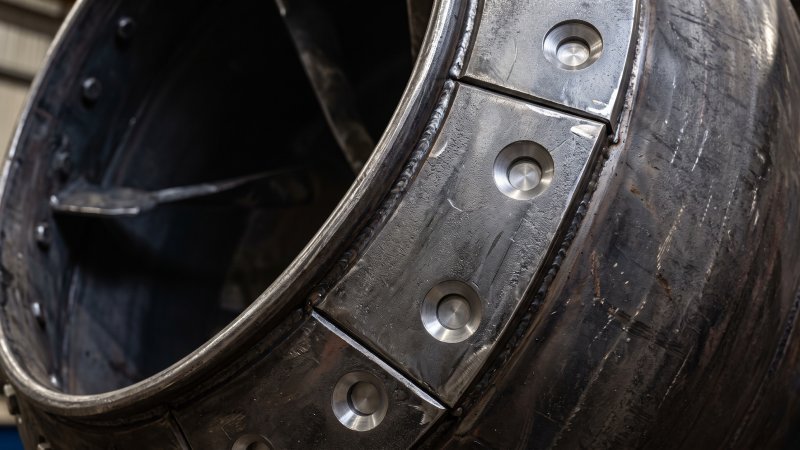
What is a concrete batching plant liner, and how do you choose the right one to protect your equipment?
A concrete batching plant liner is a highly durable, replaceable wear plate installed inside a mixing drum to protect the machine’s outer steel shell from the severe impact and abrasion of mixing aggregates. To choose the correct liner, you must evaluate your specific aggregate hardness, daily production volume, and the liner’s precise installation zone to determine whether high-chromium cast iron, alloy cast steel, or a specialized synthetic material provides the most cost-effective lifespan for your operation.
Core Operating Conditions That Dictate Your Choice
Selecting the right concrete batching plant liner requires analyzing the specific mechanical stresses inside your mixer.
The right choice depends on three main operating conditions: the hardness of the aggregates you process, your daily batching frequency, and the specific installation zone inside the mixing drum. Analyzing these factors ensures you select wear parts that withstand impact, resist abrasion, and match your plant’s specific workload.
Aggregate Hardness and Abrasiveness
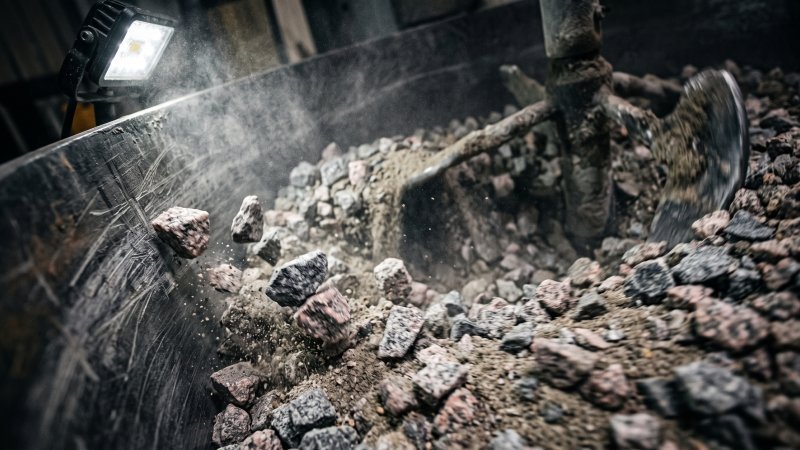
First, you must look closely at what goes into the mixer. Different aggregates wear down metal at very different rates. For instance, smooth river gravel causes much less friction than sharp, crushed granite.
Consider the Mohs hardness scale. Smooth limestone usually scores around a 3 or 4. However, crushed quartz or granite can score up to a 7. Processing these harder rocks is similar to the constant grinding action inside an aggregate rock crusher. The sharp edges of crushed stone constantly slice into the mixer walls.
Therefore, if your plant mainly uses highly abrasive aggregates, you will face a severe rate of abrasive wear. This operating condition directly dictates the necessary wear resistance of the protective plates. You cannot simply install standard parts and expect them to last under heavy abrasive loads.
Daily Production Volume and Batch Frequency
Next, consider how often your equipment actually runs. A commercial ready-mix plant operating 24 hours a day faces significantly more stress than a small precast facility running single shifts.
Constant operation means continuous friction. Furthermore, it leaves zero time for the metal components to cool down between batches. A plant producing over 150,000 cubic meters of concrete annually experiences rapid, continuous wear. Conversely, a temporary project plant might only mix a fraction of that amount.
Here is a simple breakdown of how production volume impacts wear expectations:
| Production Level | Annual Volume | Primary Wear Factor |
|---|---|---|
| Low Volume | Under 50,000 m³ | Occasional impact and rusting during downtime |
| Medium Volume | 50,000 – 150,000 m³ | Steady abrasive sliding friction |
| High Volume | Over 150,000 m³ | Continuous severe abrasion and thermal stress |
Because production metrics and resulting stress levels can vary based on specific mixer models and capacities, you should always verify the expected wear lifecycle for your exact volume with your supplier.
Specific Placement Inside the Mixing Drum
Finally, physical wear does not happen evenly across the entire mixer. Different areas inside the drum experience very different types of mechanical stress.
For example, bottom liners carry the entire dead weight of the wet concrete. They also endure the constant, heavy scraping of the mixing arms. Therefore, they suffer from extreme sliding abrasion. On the other hand, the discharge door area faces high-velocity scouring as the wet mixture drops out of the drum. Meanwhile, side wall liners mostly handle splash and lower-impact scraping.
To manage this, plants often use different configurations in different zones. Think of it like a heavy-duty mining dump truck bed; the floor always takes considerably more damage than the side panels. Identifying these high-stress zones helps you decide exactly what specification of plate belongs in each specific area.
Material Comparison for Maximum Lifespan
Evaluating different metals and synthetics is critical to maximizing the lifespan of your mixer.
The optimal material for concrete mixer liners depends on balancing hardness against impact resistance. High-chromium cast iron offers maximum abrasion resistance for continuous sliding friction. Meanwhile, alloy cast steel provides essential toughness against heavy impacts, and polyurethane serves specialized roles where sticky material buildup is the primary concern.
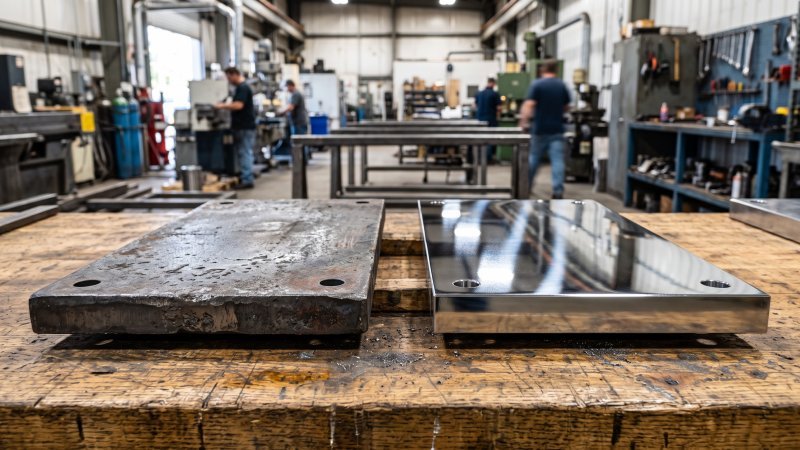
High-Chromium Cast Iron Properties
High-chromium (high-chrome) cast iron is the industry standard for severe abrasion. Why is this material so popular? It simply outlasts most alternatives when dealing with constant sliding friction.
The secret lies in its microstructure. High-chrome iron contains highly refined, hard carbide particles. These particles act like a microscopic shield against sharp rocks. Therefore, this material boasts a very high Rockwell Hardness rating. Typically, high-chrome liners score between 58 and 64 HRC.
Think of high-chrome iron like the hardened carbide teeth on an asphalt milling machine. It easily cuts through tough materials without losing its sharp edge. Yet, if you strike those rigid teeth directly with a heavy steel mallet, they can shatter. High-chrome iron behaves the exact same way. It resists scratching brilliantly, but it remains somewhat brittle under heavy shock. Thus, it is perfect for the side walls of a twin-shaft mixer where sand and gravel constantly scrape past.
Alloy Cast Steel Characteristics
Alloy cast steel takes a completely different approach to equipment protection. Instead of focusing solely on extreme hardness, this metal prioritizes toughness.
Toughness is a metal’s ability to absorb raw energy without breaking. When heavy, fist-sized rocks drop directly into the mixing drum, the metal takes a massive physical shock. Alloy cast steel absorbs this heavy impact beautifully. In contrast, harder, brittle metals might crack under the exact same blow.
Consider the difference between a brittle ceramic tile and a heavy manganese steel plate used in a jaw crusher. The tile is extremely hard but shatters upon impact, while the heavy steel plate flexes slightly to absorb the blow. Alloy steel works just like that crusher plate. It usually has a lower hardness rating, sitting around 45 to 50 HRC. But, it offers vastly superior impact resistance.
Below is a quick comparison to help you understand this vital tradeoff:
| Material Type | Primary Strength | Main Weakness | Best Application Zone |
|---|---|---|---|
| High-Chromium Iron | Extreme abrasion resistance | Can crack under heavy impact | Areas with high sliding friction |
| Alloy Cast Steel | High impact absorption | Wears down faster from friction | Areas receiving direct aggregate drops |
When to Consider Polyurethane or Rubber
Metals dominate the heavy concrete industry, but synthetics like polyurethane and rubber have highly unique advantages. So, when should you actually choose them over steel?
You should consider polyurethane when material buildup becomes your biggest daily headache. Wet concrete sticks stubbornly to steel plates. Over time, this hardened buildup drastically reduces your mixer’s working capacity. Polyurethane features a naturally slick, non-stick surface. Therefore, wet concrete simply slides off, which greatly reduces your daily cleaning time.
Furthermore, rubber and polyurethane offer excellent noise reduction. A bare steel drum tumbling rocks is incredibly loud. Lining that drum with heavy rubber acts much like the rubber screen mats used on aggregate vibrating screens. The synthetic material effectively absorbs the shock and muffles the harsh clatter of grinding stones.
However, synthetics cannot survive aggressive, sharp aggregates for very long. They are best suited for highly specialized applications. For example, many modern plants use them successfully in dry mortar mixing. They also work perfectly on discharge cones where sticky, fine materials frequently cause bottlenecks.
The Importance of Dimensional Accuracy and Fit
The physical fit of your mixer liner matters just as much as the metallurgical composition of the plate itself.
Dimensional accuracy ensures that protective liner plates install seamlessly, align perfectly with existing bolt holes, and sit flush against the drum shell. A precise fit prevents destructive aggregate penetration, eliminates installation delays, and ultimately protects the structural integrity of your concrete batching plant.
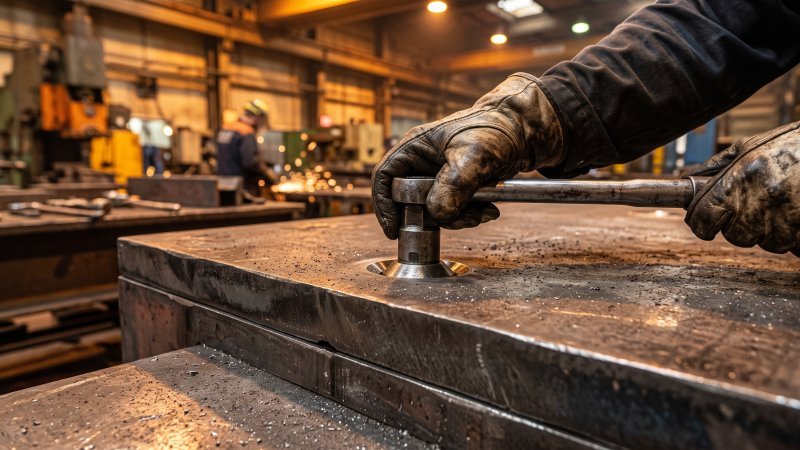
Ensuring Perfect Bolt Hole Alignment
When you buy a replacement liner, it must match your mixer’s mounting points exactly. Bolt hole alignment is absolutely critical for a secure installation.
If the holes are misaligned by even a fraction of an inch, your maintenance crew faces a major problem. They cannot simply force the bolts through. Think of mounting a heavy replacement slewing ring on a tower crane. You cannot force misaligned connections under high torque without shearing the bolts.
When holes do not line up, workers often resort to burning new holes with a plasma torch. This is a terrible practice. The extreme heat from the torch destroys the metallurgical structure of the plate. It instantly ruins the hardness of high-chromium parts, leading to premature cracking around the bolts.
Because tolerance standards for casting and drilling vary significantly between foundries, you should always verify exact bolt hole dimensional guarantees with your supplier before ordering. You need parts that drop in perfectly on the very first try.
Preventing Dangerous Gaps Between Plates
Proper fit is not just about the bolts. It is also about how tightly the plates sit next to each other.
When liners lack precise edge dimensions, they leave gaps. These gaps are extremely dangerous for your mixing drum. Inside a running mixer, pressurized wet concrete acts like a fluid. It forces fine cement paste and sharp sand directly into any open seams.
Once abrasive material gets behind the plate, it begins to scour the mild steel shell of the mixer itself. This hidden damage is known as “washout.” You might have perfectly good liner plates, but the drum shell behind them is rotting away from friction.
Here is a breakdown of how gap sizes affect your mixer:
| Gap Size | Immediate Risk | Long-Term Consequence |
|---|---|---|
| Under 1 mm | Standard safe tolerance | Normal wear cycle |
| 1 mm – 3 mm | Fine sand and water infiltration | Hidden shell scouring and rust |
| Over 3 mm | Coarse aggregate gets wedged | Bolt failure and complete plate detachment |
Therefore, precision-cast edges are non-negotiable. Tight seams force the abrasive wear to happen entirely on the surface of the plate, exactly where it belongs.
Compatibility with OEM Specifications
Every mixer manufacturer designs their equipment differently. Brands use highly specific plate geometries, curves, and interlocking designs.
To ensure maximum equipment lifespan, your wear parts must strictly follow Original Equipment Manufacturer (OEM) specifications. You cannot use a generic, flat plate on a curved drum wall. Reverse-engineering a replacement part requires immense precision. Every radius and bevel must match the original design perfectly.
If an aftermarket plate does not respect the OEM curves, it will not sit flat against the drum. This creates a hollow space underneath the metal. As a result, the plate becomes structurally unsupported. When a heavy batch of gravel drops directly onto that unsupported plate, the metal will flex and crack instantly.
Choosing liners that match exact OEM specifications guarantees full structural backing from the drum shell. This allows the hardened metal to focus entirely on resisting abrasion, rather than fighting bending forces.
Warning Signs That You Need a Replacement
Identifying early signs of wear prevents catastrophic equipment failure and costly emergency repairs.
You must replace your concrete batching plant liners when you detect significant thickness reduction, visible cracking, or severe uneven wear patterns. Ignoring these specific warning signs directly damages the mixer drum shell and forces expensive, unplanned plant downtime.
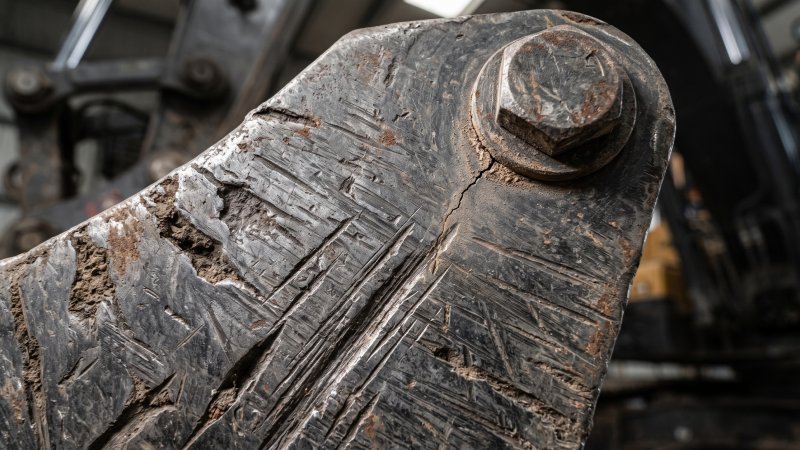
Measuring Thickness Reduction
Simple visual inspections are not enough. You must actively measure the remaining metal. Think of checking the heavy-duty brake pads on a fully loaded concrete transit mixer. You cannot wait for metal-on-metal grinding to occur. By that point, the core machinery is already severely ruined.
For concrete mixers, you should measure plate thickness regularly using an ultrasonic thickness gauge. As abrasive aggregate slides against the walls, the metal steadily thins out. If the plate becomes too thin, it loses its structural integrity. It will eventually shatter under the heavy weight of the concrete batch.
Because initial casting thicknesses vary significantly by manufacturer, you should always verify the exact minimum wear tolerance with your supplier. However, here is a general safety guideline for standard plant installations:
| Original Plate Thickness | Warning Zone (Plan Replacement) | Danger Zone (Replace Immediately) |
|---|---|---|
| 15 mm | 6 mm remaining | Under 4 mm remaining |
| 20 mm | 8 mm remaining | Under 5 mm remaining |
Spotting Cracks and Loose Fittings
A crack in a hardened wear plate is a severe mechanical emergency. It behaves exactly like a stress fracture in a steel bridge support truss. Under continuous cyclic loading, a microscopic hairline fracture rapidly expands across the entire component.
Cracks usually form when “tramp metal” accidentally enters the aggregate feed. For example, a stray excavator tooth or a heavy steel bolt might fall onto the conveyor belt. High-chromium cast iron resists scratching perfectly, but it cracks rapidly when struck directly by foreign steel objects.
Additionally, you must constantly monitor the mounting fittings. The heads of the countersunk bolts experience the exact same friction as the liner plates. If those bolt heads wear down completely flush, the protective plate will quickly loosen. A loose plate will eventually detach mid-batch, causing devastating, immediate damage to the rotating mixing arms.
Identifying Uneven Wear Patterns
Wear inside a batching plant is rarely uniform. Certain sections handle vastly more friction and impact than others. Therefore, you must look closely for localized “channeling” or deep, isolated gouges in the metal.
This uneven degradation acts much like the wear on an industrial slurry pump impeller. High-velocity fluid flow creates intense pressure zones that carve deep grooves into specific areas of the metal. In your mixer drum, the main aggregate discharge path often creates very similar localized gouges.
If you spot uneven wear early, you can often take smart corrective action. Many modern mixer liners utilize symmetrical, interchangeable square plates.
Pro Tip: If one specific corner wears down faster than the rest, your maintenance team can simply rotate the plate 180 degrees. This simple, rapid adjustment essentially doubles the usable lifespan of that specific part.
Conclusion
Selecting the right concrete batching plant liner is an essential investment in the longevity and efficiency of your mixing equipment. By carefully evaluating your operating conditions, choosing the appropriate wear-resistant material, and ensuring a precise OEM fit, you can prevent unexpected downtime and maximize your production output. Always monitor your wear parts for signs of damage to avoid costly repairs to the drum shell. If you need expert guidance on upgrading your mixer’s protective plates, contact us to find the ideal solution for your specific plant setup.