-
Whatsapp: +86 15938761000
-
Email: likang@shconcretemixer.com
-
Address: Shenglong Youyi City, Zhongyuan District, Zhengzhou City, Henan Province
-
Whatsapp: +86 15938761000
-
Email: likang@shconcretemixer.com
-
Address: Shenglong Youyi City, Zhongyuan District, Zhengzhou City, Henan Province

What is a Concrete Batching Plant & How Does It Work?
Have you ever wondered exactly what a concrete batching plant is and how it manages to produce massive volumes of structural-grade material so consistently?
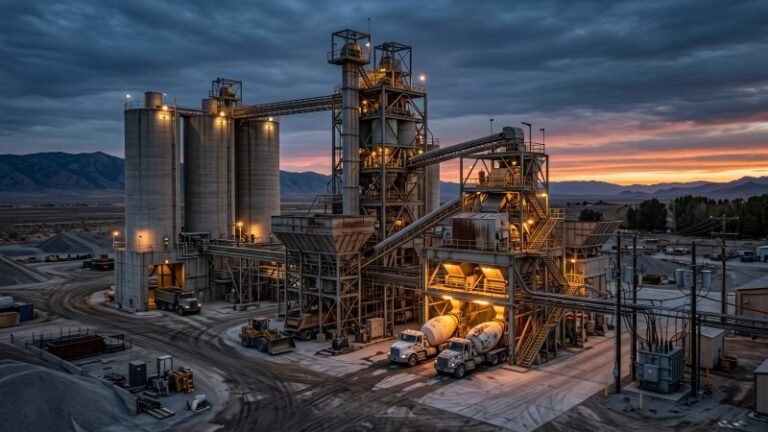
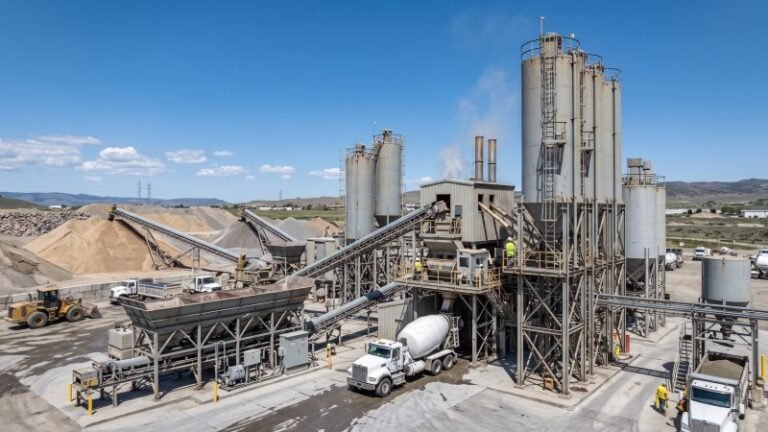
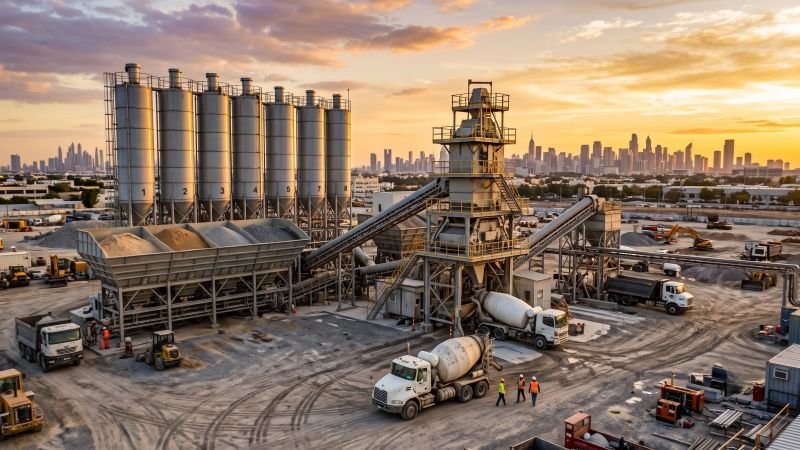
A concrete batching plant is a large-scale industrial facility that systematically stores, measures, and blends raw materials—such as aggregates, sand, water, cement, and chemical admixtures—into highly uniform concrete. It works by sequentially weighing these dry and liquid ingredients with high precision, transporting them via continuous belts or augers, aggressively mixing them either in a central mechanical drum or a transit vehicle, and discharging the final mixture for immediate construction use.
Core Components of the Equipment
What are the essential mechanical modules required to produce concrete?
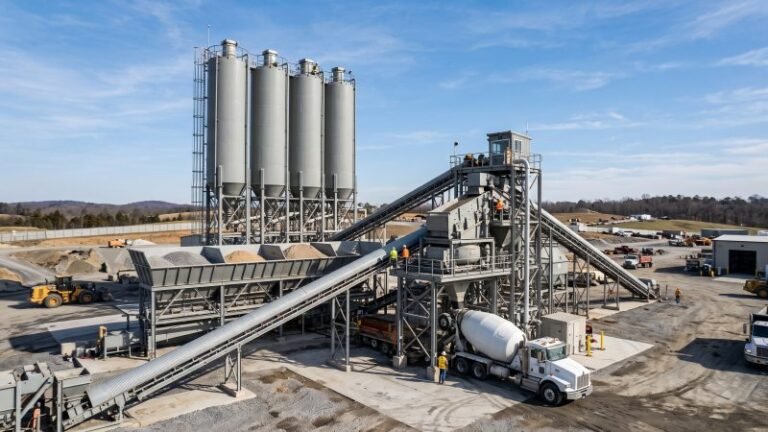
A concrete batching plant consists of five primary mechanical systems: aggregate batchers, cement silos, water and admixture scales, the central mixer, and an automated control system. These individual modules connect to store, measure, and blend raw materials into structural-grade concrete.
Aggregate Batching Machines
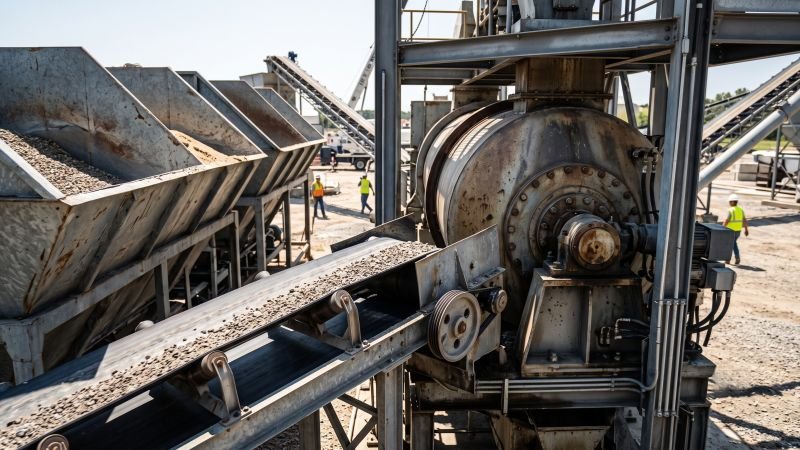
Aggregate batching machines store and measure the bulk heavy materials. Specifically, they hold sand, crushed stone, and gravel. These bins sit at the very beginning of the production line.
Usually, a plant uses three to four separate compartments to keep different rock sizes separate. Pneumatic doors sit at the bottom of each bin. When the system needs material, these doors open to drop the rocks onto a weighing belt. Accuracy here is crucial for concrete strength. Consequently, industrial load cells measure the exact weight of the falling stones.
Bin capacities typically range from 15 to 50 cubic meters per compartment, though it is advisable to verify exact storage specifications with your supplier as parameters vary by manufacturing design.
| Bin Configuration | Typical Application | Material Types Stored |
|---|---|---|
| 2-Bin System | Small rural projects | Sand, mixed gravel |
| 3-Bin System | Standard commercial builds | Sand, medium stone, large stone |
| 4-Bin System | Large highway infrastructure | Fine sand, coarse sand, two stone sizes |
Cement Silos and Screw Conveyors
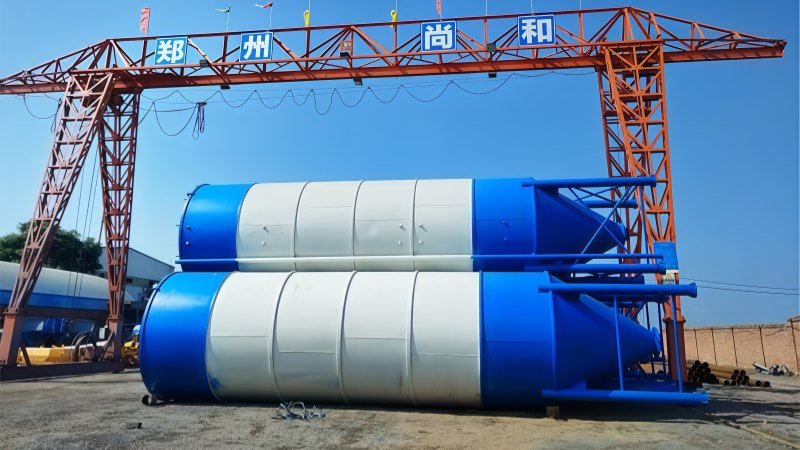
Cement silos are tall, cylindrical steel tanks. They store dry powders like Portland cement and fly ash. Moisture is the biggest enemy of dry cement. Therefore, these silos are completely waterproof and airtight. They also feature industrial dust collectors on top to prevent environmental air pollution.
To move the heavy powder out of the silo, the plant relies on screw conveyors. These are long, enclosed metal tubes containing a spinning spiral blade.
Much like a screw conveyor used in an asphalt mixing plant to feed mineral filler, the rotating blade pulls the heavy cement powder from the base of the silo up into the weighing hopper. This enclosed transfer prevents any powder from blowing away in the wind.
Water and Admixture Weighing Systems
Water activates the chemical reaction in cement. Admixtures are special liquid chemicals. These chemicals can make the concrete dry faster or resist freezing temperatures.
Precision is non-negotiable for these liquids. If you add too much water, the concrete loses its compressive strength. As a result, plants use dedicated weighing scales for liquids. These hoppers hang directly above the main mixing unit. High-precision load cells suspend these hoppers. They measure the liquid weight down to a 1% margin of error.
Furthermore, admixture scales are generally much smaller than water scales. They use heavy-duty pneumatic pumps to inject exact chemical dosages directly into the water stream before it hits the dry materials.
The Central Mixer
The central mixer serves as the mechanical heart of the entire plant. This is where all measured materials finally meet.
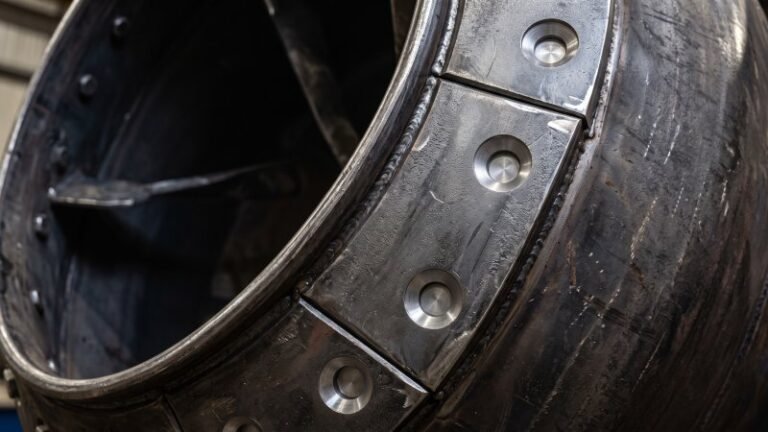
For high-volume production, most modern plants use a twin-shaft mixer. This machine contains two heavy steel shafts lined with thick mixing blades. The shafts rotate in opposite directions. Much like a continuous pugmill used in hot-mix asphalt production, the twin shafts aggressively fold the heavy rocks and sticky cement together. This creates a highly uniform blend in a very short time.
| Mixer Type | Best Suited For | Key Characteristic |
|---|---|---|
| Twin-Shaft | Ready-mix, large infrastructure | High-speed, aggressive horizontal mixing |
| Planetary | Precast concrete blocks | Complex, star-shaped rotation for stiff mixes |
| Pan / Drum | Small domestic sites | Simple vertical rotation, slower output |
Automated Control Systems
Every modern plant requires a brain. The automated control system fills this role. It usually sits inside a weather-proof control cabin next to the machinery.
The system runs on a Programmable Logic Controller (PLC) and specialized software. The plant operator inputs specific “mix designs” into the computer. For instance, a high-rise building requires a different concrete grade than a residential sidewalk.
Once the recipe is set, the software takes over completely. It automatically tells the bins to open, the conveyors to spin, and the mixer to run. By removing human manual calculations, the control system guarantees that every single batch remains perfectly consistent.
The Step-by-Step Working Process
How do all these separate raw materials physically transform into structural-grade concrete?
The working process follows a strict sequential flow. First, the plant loads and precisely weighs the raw aggregates, cement, and liquids. Second, it transports these materials to the central unit. Third, the machinery mixes them aggressively to achieve chemical uniformity. Finally, the system discharges the finished concrete into transport vehicles.
Stage 1: Loading and Weighing Materials
Initially, front-end wheel loaders dump sand and gravel into the primary receiving hoppers. Next, the automated control system opens the pneumatic hopper gates. The heavy rocks fall onto a weighing belt below. Precision is absolutely critical during this step. Consequently, industrial load cells measure every single pound. For example, standard industry specifications require aggregate weighing accuracy within ±2%, while cement measuring accuracy must stay strictly within ±1% (always verify exact tolerance limits with your equipment supplier). Simultaneously, separate overhead scales precisely measure the required water and liquid additives.
Stage 2: Transporting to the Mixing Unit
Once weighed, the dry bulk materials must travel upward to the mixer. Plants typically use two main mechanical methods for moving aggregates. They use either a wire-rope skip hoist or an inclined belt conveyor. A skip hoist pulls a loaded steel bucket up a steep vertical track. Conversely, an inclined belt provides a continuous, smooth flow of rocks. Much like an aggregate crushing plant using inclined belts to move stones into a screening deck, this step ensures steady feeding. Furthermore, the dry cement powder travels up through the enclosed metal screw tubes. The water and chemical admixtures simply pump directly into holding tanks.
Stage 3: The Mixing Operation
This stage begins when all measured materials drop into the main mixing chamber. The heavy metal shafts spin rapidly. Instantly, water and chemical admixtures spray over the dry rocks and cement. Consequently, the concrete hydration process starts immediately. Much like a heavy-duty soil stabilization machine forcefully blending lime into damp earth, the mixer blades shear the heavy materials. The physical action folds everything into a thick, uniform paste. Typically, the continuous mixing cycle lasts between 30 and 60 seconds.
“Strictly controlling the mixing cycle time prevents aggregate segregation while ensuring the cement paste fully coats every single stone.”
Stage 4: Discharging the Final Product
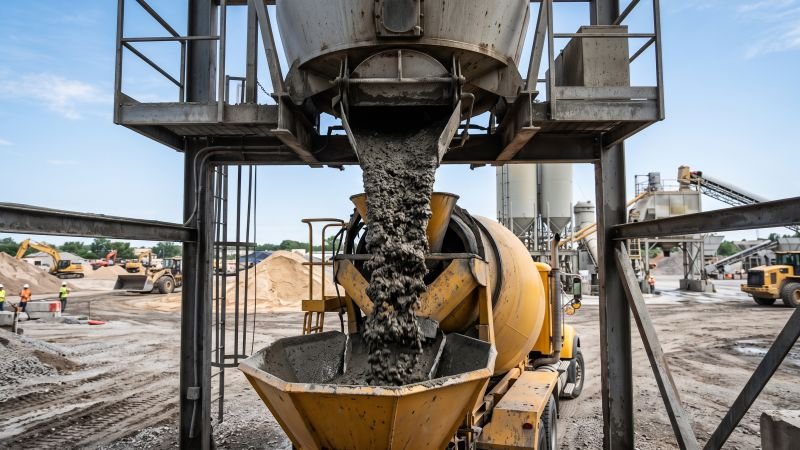
After the timer finishes, the production cycle reaches its final step. The pneumatic discharge gate opens at the bottom of the mixer. Subsequently, the fresh concrete pours directly into a waiting transit mixer truck. Gravity forces the heavy, wet material downward into the truck’s drum. A standard 3-cubic-meter mixer takes roughly 10 to 15 seconds to fully empty. Finally, the gate closes tightly, and the plant immediately begins processing the next batch.
| Process Stage | Average Time Duration | Primary Mechanical Action |
|---|---|---|
| Weighing | 15 – 20 Seconds | Load cells measure raw materials |
| Transporting | 10 – 15 Seconds | Belts and screws move dry materials |
| Mixing | 30 – 60 Seconds | Twin shafts blend materials together |
| Discharging | 10 – 15 Seconds | Pneumatic gate opens to release concrete |
How Different Configurations Alter the Workflow
Do variations in equipment design change the fundamental production workflow?
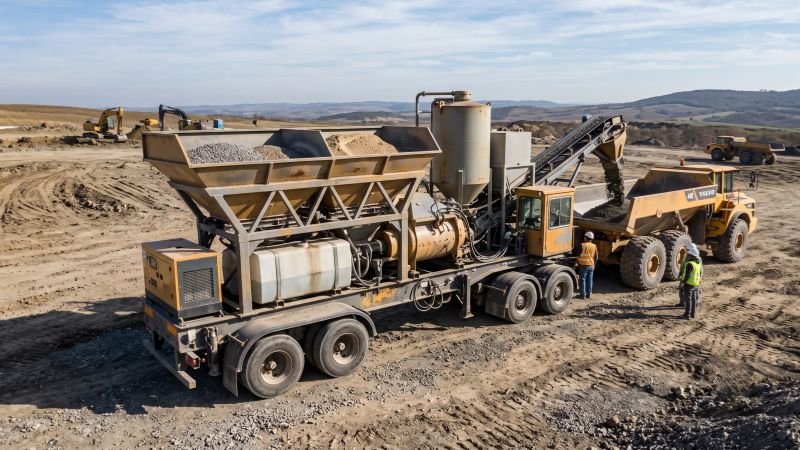
Equipment configurations alter the workflow primarily by changing where the physical mixing occurs and how the machinery is deployed. Dry mix plants route unmixed materials directly into transit trucks, whereas wet mix plants centralize the blending process. Additionally, stationary plants optimize the workflow for fixed, high-volume output, while mobile setups compress the entire process into a rapidly deployable trailer.
Wet Mix vs Dry Mix Routing Differences
The most significant workflow difference depends on the mixing location. Specifically, wet mix plants utilize a central mixing unit. In this setup, all aggregates, cement, and water enter the stationary mixer. Consequently, the plant discharges fully hydrated, ready-to-pour concrete. This process guarantees maximum consistency.
In contrast, dry mix plants eliminate the central mixer entirely. As a result, the workflow routing changes dramatically. Here, the automated batchers drop dry aggregates and cement directly into the transit truck’s rotating drum. Simultaneously, the plant pumps the exact volume of water into the same truck. Therefore, the actual mixing happens inside the vehicle during transport.
Much like cold-feed aggregate bins loading raw gravel directly into a haul truck without prior blending, the dry batch plant only measures materials. It does not combine them. Because the mixing happens on the road, always check the exact transit mixing specifications and drum revolution requirements with your specific vehicle supplier.
| Configuration | Mixing Location | Primary Workflow Difference |
|---|---|---|
| Wet Mix Plant | Central Plant Mixer | Discharges fully wet, pre-mixed concrete |
| Dry Mix Plant | Transit Truck Drum | Discharges raw dry materials and water separately |
Operational Flow of Stationary vs Mobile Plants
Physical plant design also dictates the daily operational flow. Stationary batching plants require heavy concrete foundations. Their workflow spreads out over a large physical footprint. For example, they often utilize long, inclined belt conveyors to move aggregates. This wide layout allows for massive raw material storage. Consequently, stationary operations achieve very high production rates. They often exceed 120 cubic meters per hour for large commercial projects.
Conversely, mobile batching plants compress the entire workflow. Engineers mount the bins, scales, and mixer onto a single transportable chassis. Much like a self-contained tracked mobile rock crusher operating without permanent structural supports, mobile plants are entirely self-sufficient. This design eliminates long conveyor belts. Instead, the material flow is compact and highly integrated.
Furthermore, the deployment workflow changes drastically. A stationary plant might take several weeks to install and calibrate. Meanwhile, a mobile plant can simply roll onto a new construction site. Operators can often unfold the equipment, plug in the power, and start mixing concrete within a few days.
“Mobile configurations sacrifice ultimate storage capacity to gain rapid, on-demand workflow deployment.”
Conclusion
Understanding the internal mechanics and workflow of a concrete batching plant is critical for laying the groundwork of any successful large-scale construction project. By recognizing how the core components function together and how specific configurations—like wet vs. dry or stationary vs. mobile—impact production, you can select the right machinery to guarantee concrete quality and site efficiency. If you need further clarification on technical specifications or help evaluating the best setup for your upcoming project, please feel free to contact us.