-
Whatsapp: +86 15938761000
-
Email: likang@shconcretemixer.com
-
Address: Shenglong Youyi City, Zhongyuan District, Zhengzhou City, Henan Province
-
Whatsapp: +86 15938761000
-
Email: likang@shconcretemixer.com
-
Address: Shenglong Youyi City, Zhongyuan District, Zhengzhou City, Henan Province
How Much Does a Concrete Batch Plant Cost?
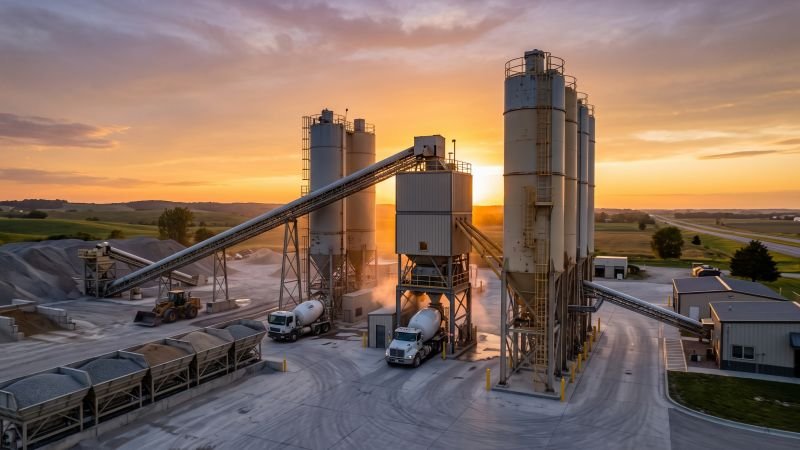
Are you planning to build or expand a concrete production facility and wondering what total budget you really need to get started?
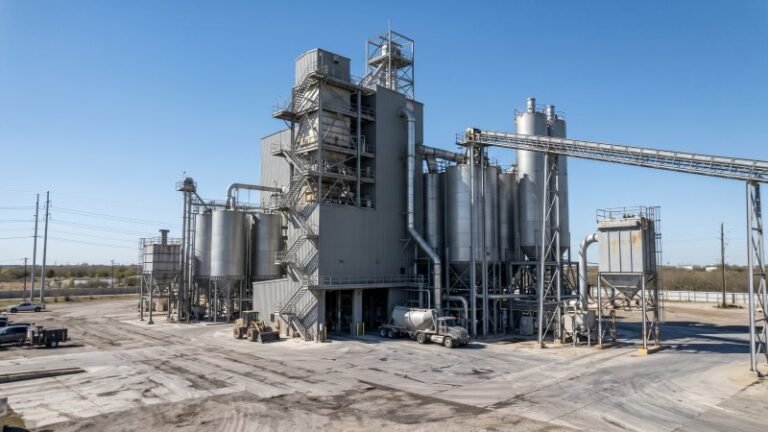
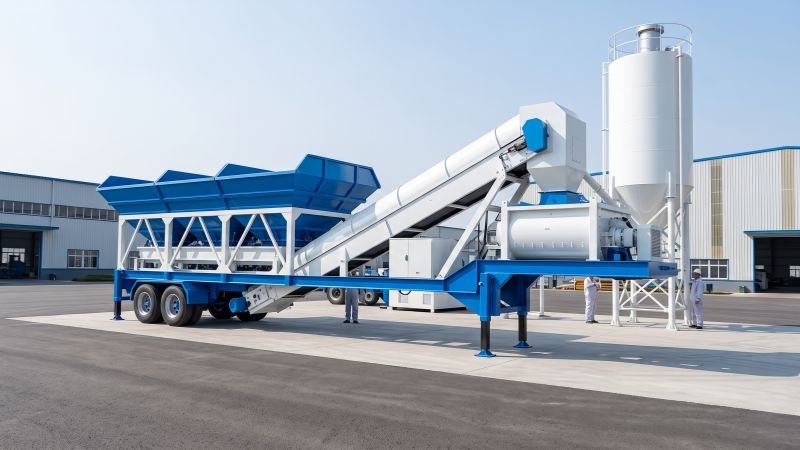
A complete concrete batch plant setup typically costs between $50,000 for a small, entry-level mobile unit to over $2,000,000 for a large, fully automated commercial facility. However, the base machinery represents only 30% to 50% of your total initial investment; the remaining capital covers site preparation, civil foundations, auxiliary equipment, environmental permitting, and ongoing operational expenses.
Major Factors Influencing the Equipment Price
What exactly makes one concrete batch plant cost $50,000 and another well over $500,000 just for the bare machinery?
The equipment price of a concrete batch plant primarily depends on its production capacity, plant configuration, mixing technology, and automation level. Specifically, higher hourly output volumes, mobile chassis designs, wet mix systems, and fully automated computer controls significantly increase the initial purchase price of the machinery.
Production Capacity and Output Volume
First, capacity is the single biggest price driver. Capacity measures how much concrete the plant produces in exactly one hour. We usually measure this in cubic meters per hour (m³/h). Naturally, a larger plant costs more money.
Why does size matter? A high-volume plant needs much larger physical components. It requires a bigger mixing engine. It also needs wider conveyor belts and massive aggregate holding bins. For example, a small 25 m³/h plant uses standard steel frames. Meanwhile, a 120 m³/h plant requires heavy-duty structural steel. This heavy steel supports the massive weight of continuous production. Think of this like upgrading from a small, towable mortar mixer to a heavy-duty, twin-shaft commercial mixer. Both mix cement, but the commercial unit requires substantially more steel, power, and engineering.
Below is a general look at how capacity changes the baseline equipment price. Always verify the exact capacity ranges and technical specifications with your equipment supplier, as actual outputs can vary based on your local power standards and material density.
| Plant Capacity Category | Typical Output Range | Estimated Equipment Price Range (Base Machinery) |
|---|---|---|
| Small / Entry-Level | 25 m³/h – 35 m³/h | $30,000 – $60,000 |
| Medium / Commercial | 50 m³/h – 90 m³/h | $80,000 – $150,000 |
| Large / Industrial | 120 m³/h – 240+ m³/h | $200,000 – $500,000+ |
Stationary vs. Mobile Plant Configurations
Next, you must choose between a fixed or a portable setup. Does your project require you to move the plant frequently? If so, you will pay a premium for that mobility.
Stationary plants are bolted firmly to a concrete foundation. They offer excellent value for your money. You get high production capacity for a much lower equipment price. Therefore, they are perfect for permanent ready-mix concrete businesses.
Conversely, mobile plants cost 20% to 40% more than stationary models of the exact same capacity. Why is there such a sharp price jump? Mobile plants come permanently mounted on a heavy-duty trailer chassis. They include built-in axles, transport tires, and pre-wired electrical systems. This integrated design lets you safely tow the plant between highway construction sites. This is very similar to the price difference between a fixed tower crane and a mobile truck crane. You are paying extra money for the complex engineering that allows safe highway transport.
Dry Mix vs. Wet Mix Systems
Then, the actual mixing technology heavily impacts your final equipment invoice. You must decide where the concrete actually mixes together.
A dry mix plant (often called a transit mix plant) only weighs and loads the dry materials. It drops dry sand, gravel, and cement straight into a transit mixer truck. The truck adds water later. It then mixes the concrete on the road. Because it lacks a central mixing engine, a dry mix plant is much cheaper. It can save you up to 30% to 50% on the initial equipment cost.
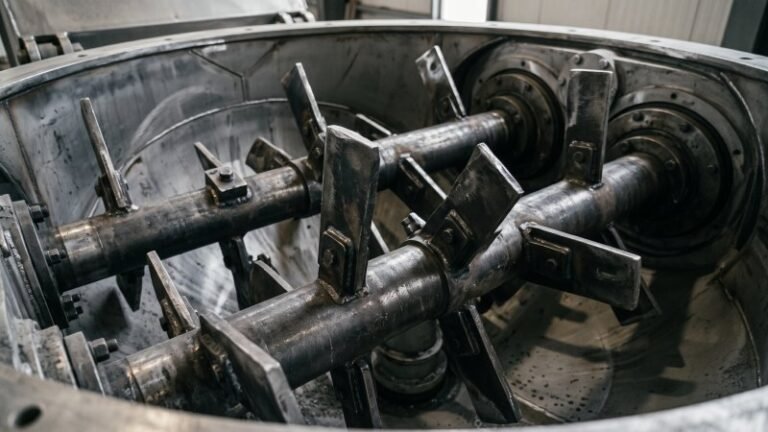
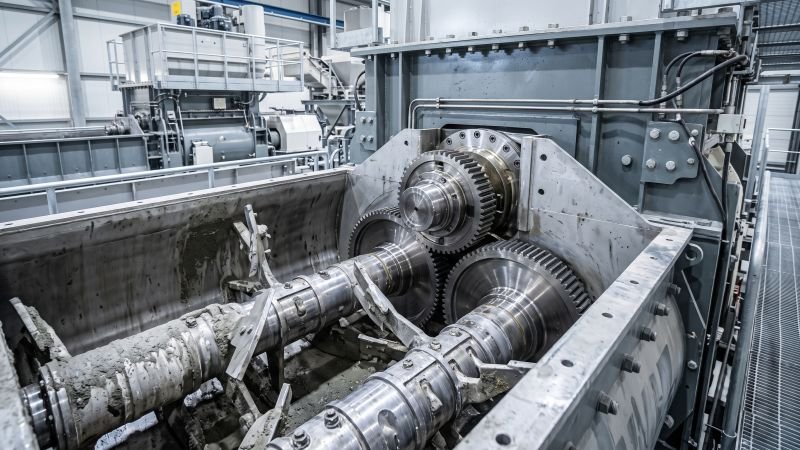
On the other hand, a wet mix plant (or central mix plant) includes a massive, built-in central mixer. Usually, this is a heavy-duty twin-shaft mixer. This machine thoroughly mixes all materials and water together before loading the truck. Central mixers are heavy, complex, and highly engineered pieces of equipment. Consequently, they add tens of thousands of dollars to the base price. However, wet mix systems guarantee strict quality control for high-grade commercial projects.
Automation Level and Control Systems
Finally, the “brain” of your batch plant affects the total machinery cost. How much manual labor do you want to eliminate?
Basic entry-level plants use simple, semi-automatic push-button control panels. An operator must manually press buttons to weigh and release the materials. These older systems are very affordable. Yet, they leave a lot of room for human error during the weighing process.
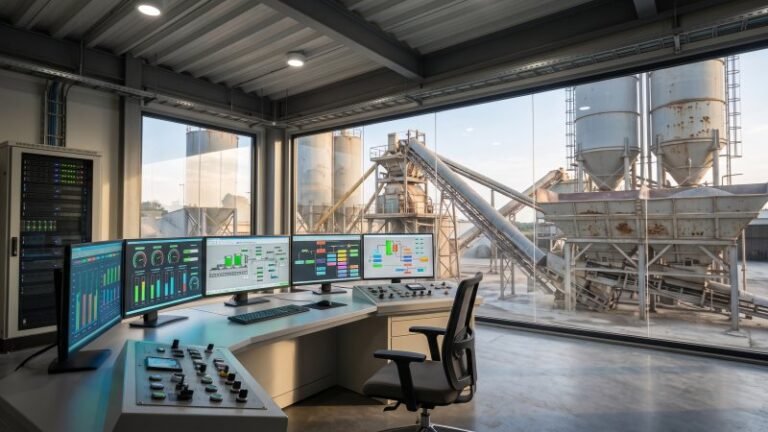
In contrast, fully automated systems use advanced PLC (Programmable Logic Controller) software. Operators simply click a mouse inside a climate-controlled cabin. The computer uses high-precision electronic load cells. These cells measure materials down to the exact kilogram. These advanced SCADA systems print automatic batch tickets and store thousands of mix recipes. Upgrading from a manual board to a fully automated PLC control room can add $10,000 to $25,000 to your bill. However, this upgrade prevents wasted expensive cement and ensures every batch meets exact engineering specifications.
Hidden Setup Costs You Must Budget For (CAPEX)
Are you aware that the sticker price of the machinery often represents less than half of your total initial investment?
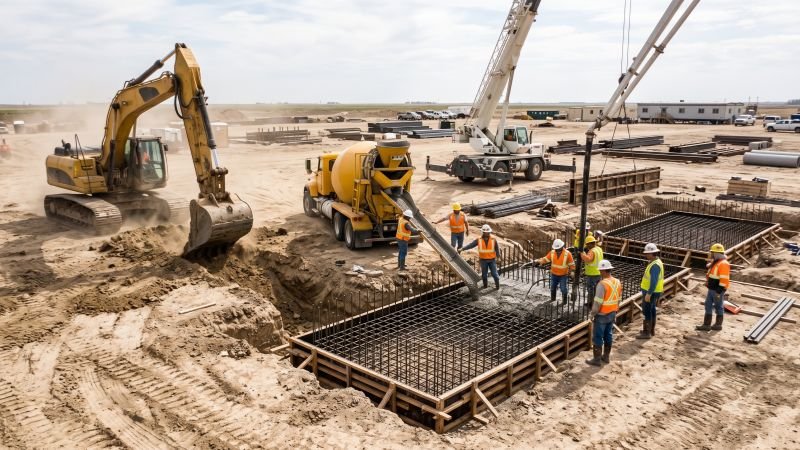
The hidden setup costs for a concrete batch plant include land acquisition, site preparation, foundation construction, equipment shipping, installation, and environmental permitting. These infrastructure and compliance expenses represent your Capital Expenditure (CAPEX). They typically add 50% to 150% to the base equipment price, meaning a $150,000 machine could require a total setup budget closer to $350,000.
Land Acquisition and Site Preparation
First, you need physical space to operate. A standard commercial plant usually requires between 1.5 and 3 acres of land. You must either purchase or lease this industrial-zoned property. Consequently, your geographical location heavily dictates this initial expense.
Furthermore, raw land is rarely ready for immediate use. You must invest heavily in site preparation. This process involves grading the earth, installing proper drainage systems, and building reinforced access roads. Fully loaded transit mixers weigh over 60,000 pounds. Therefore, standard dirt roads will quickly collapse under their heavy traffic.
Think of this process like establishing an aggregate crushing quarry. You cannot simply drop a massive jaw crusher onto soft dirt. You must excavate, level, and compact the ground first. Similarly, site preparation for a batch plant requires heavy earthmoving equipment. Depending on your terrain, basic land clearing and grading can easily cost between $20,000 and $50,000.
Foundation Construction and Civil Engineering
Next, stationary plants demand robust civil engineering. You cannot build a heavy industrial facility without a solid base. The machinery is incredibly heavy. Specifically, a standard 100-ton capacity cement silo exerts massive downward pressure on a very small footprint.
To prevent structural failure, you must pour deep, steel-reinforced concrete foundations. This civil work requires hiring structural engineers. They must test the soil density and draw specific blueprints. After that, contractors must excavate the site, tie heavy steel rebar, and pour the concrete pads.
Because soil bearing capacities vary greatly by region, foundation dimensions will constantly change. It is critical to verify the exact foundation specifications and engineering blueprints with your equipment manufacturer before pouring any concrete.
Below is a breakdown of typical foundation needs for different plant components.
| Plant Component | Foundation Requirement | Primary Engineering Challenge |
|---|---|---|
| Cement Silos | Deep reinforced concrete piers | High wind loads and massive vertical weight |
| Central Mixer | Thick reinforced concrete slab | Constant heavy vibrations during operation |
| Aggregate Bins | Retaining walls and drive-over ramps | Withstanding the impact of heavy wheel loaders |
Shipping, Installation, and Commissioning
Then, you must transport the massive plant components to your prepared site. Concrete plants are not shipped in standard boxes. They require oversized flatbed trucks or specialized ocean freight containers. For international purchases, you must budget for heavy freight rates, customs duties, and port clearance fees.
Once the equipment arrives, physical installation begins. You cannot assemble these tall machines by hand. You must rent heavy lifting equipment. Typically, you need a 50-ton or 100-ton mobile crane to hoist the silos and mixing chambers into the air. Crane rentals often cost hundreds of dollars per hour.
Finally, commissioning requires expert labor. You must pay factory technicians to wire the complex electrical systems. They must also calibrate the weighing scales and run test batches. This is very similar to erecting a tower crane on a commercial high-rise project. You need specialized rigging crews, safety inspectors, and heavy lifting equipment to safely complete the assembly.
Environmental Permits and Compliance
Lastly, concrete production generates dust, noise, and wastewater. Therefore, local governments heavily regulate this industry. You cannot legally operate your business without securing the proper environmental permits.
Securing these permits requires upfront capital. You must often hire environmental consultants to conduct impact studies. Moreover, you must purchase specific compliance equipment to meet local codes.
- Dust Control: You must install expensive baghouse dust filters on your silos.
- Water Management: You must construct concrete settling ponds to recycle truck washout water.
- Noise Reduction: You may need to build acoustic barriers around your central mixer.
“Operating without proper air and water quality permits can result in immediate shutdown orders and massive daily fines.”
Depending on your local regulations, obtaining these studies and permits can cost between $5,000 and $15,000. Additionally, the bureaucratic approval process can delay your project by three to six months. You must absolutely factor this waiting period into your overall business plan.
Essential Supporting Equipment and Vehicles
Operating a high-capacity concrete batch plant requires much more than just the central mixing unit.
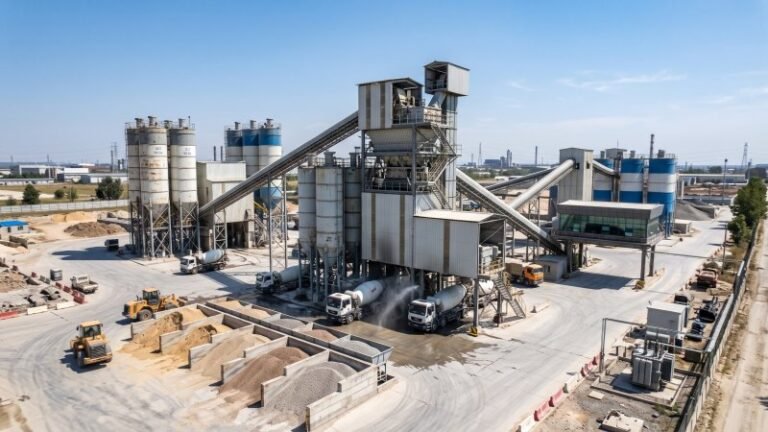
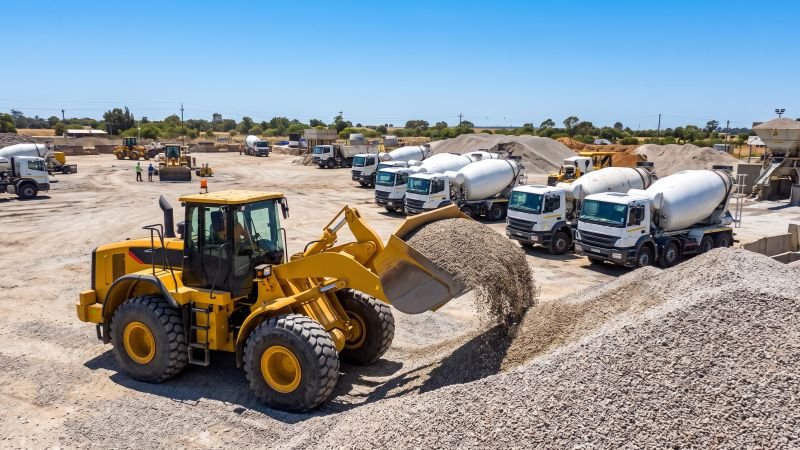
A concrete batch plant cannot operate independently. It requires a supporting fleet of equipment, which significantly adds to your overall startup budget. You must invest in transit mixer trucks to deliver the product, heavy wheel loaders to move aggregates, and bulk storage silos to maintain continuous daily production.
Transit Mixers and Delivery Trucks
The batch plant only mixes the concrete. You still need to transport that heavy material to the construction site. Therefore, a fleet of transit mixers is essential. These trucks keep the concrete agitating so it does not harden during transport.
Buying this delivery fleet is often the largest single equipment expense. For example, a brand-new transit mixer with an 8 to 10 cubic yard drum typically costs between $150,000 and $200,000. If your plant produces 100 cubic meters per hour, you might need five to eight trucks to keep up with production. Consequently, your truck fleet alone could cost over $1,000,000.
Think of this like operating an asphalt mixing plant. The central plant creates the hot mix asphalt, but you absolutely need a fleet of insulated dump trucks to safely move that material to the highway paving site before it cools.
Wheel Loaders for Material Handling
Next, you must move raw materials continuously. Sand and gravel arrive in large dump trucks and are piled in the yard. You need a fast, reliable machine to scoop these aggregates and drop them into the plant’s feeding bins.
A wheel loader is the perfect tool for this job. This machine works constantly while the batch plant is running. If your wheel loader breaks down, your concrete production stops immediately. This is exactly how an excavator constantly feeds raw rock into a mobile jaw crusher in a quarry. The main processing machine relies entirely on the support vehicle to keep it fed.
Typically, a mid-sized wheel loader with a 3-ton to 5-ton bucket capacity is ideal. You should budget between $80,000 and $150,000 for a reliable, brand-new wheel loader.
Additional Cement Silos and Storage Solutions
Finally, you must consider bulk material storage. A standard batch plant usually comes with one or two cement silos. However, high-volume production often requires additional storage capacity.
Why buy more silos? Buying cement powder in bulk reduces your raw material costs. Furthermore, running out of cement mid-day ruins your delivery schedule. Adding a 100-ton or 200-ton auxiliary silo provides a necessary safety buffer.
These tall steel structures are relatively affordable compared to powered vehicles. You can expect to pay between $15,000 and $30,000 for an additional 100-ton bolted cement silo. Note that the actual volume a silo can hold depends heavily on the bulk density of your specific cement powder.
| Equipment Type | Typical Purpose | Estimated Cost Range (New) |
|---|---|---|
| Transit Mixer (8-10 yd³) | Transporting wet concrete | $150,000 – $200,000 |
| Wheel Loader (3-5 ton) | Loading sand and gravel | $80,000 – $150,000 |
| Additional Silo (100-ton) | Storing bulk powder | $15,000 – $30,000 |
Ongoing Operational Expenses (OPEX)
What does it actually cost to keep a concrete plant running day after day once the initial setup is finished?
The ongoing operational expenses (OPEX) of a concrete batch plant consist of raw material procurement, utility costs, and labor. Raw materials like cement and aggregates consume 70% to 80% of the daily budget, while electricity, diesel fuel, operator salaries, and routine maintenance make up the remaining daily operating costs.
Raw Materials Procurement
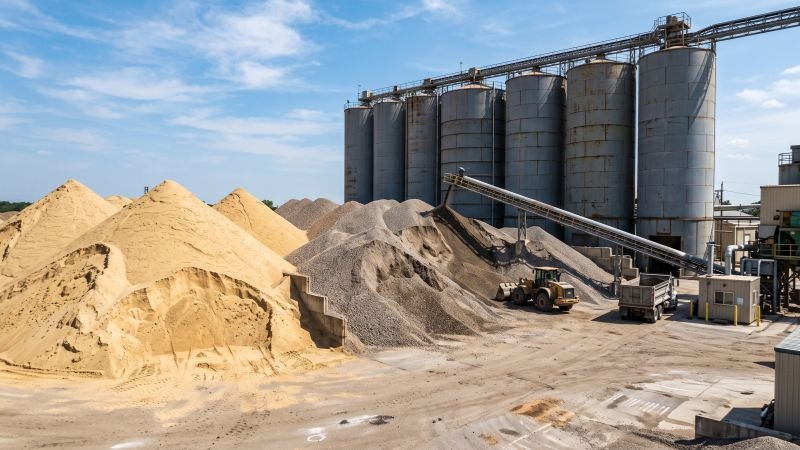
First, you must buy the actual ingredients to make concrete. Buying raw materials is your single largest operational expense. In fact, materials account for roughly 75% of your total OPEX.
You will regularly purchase cement, coarse gravel, fine sand, water, and chemical admixtures. Cement is the most expensive physical component. Standard Portland cement typically costs between $120 and $150 per ton. Meanwhile, sand and gravel are much cheaper. They usually cost only $15 to $25 per ton. However, you use aggregates in massive quantities.
Think of this like operating an asphalt drum plant. In asphalt production, the liquid bitumen binder is the most expensive material per ton. In a concrete plant, the cement powder acts as your costly binder. Therefore, wasting expensive cement severely hurts your profit margins.
Electricity and Fuel Consumption
Next, you must power the entire facility. Continuous industrial production requires significant energy.
Stationary plants rely heavily on grid electricity. The central twin-shaft mixer uses massive electric motors to turn heavy steel blades through thick concrete. Additionally, electric motors drive the long conveyor belts and power the pneumatic air compressors. For example, a standard 60 m³/h plant might require a total installed power of 100 kW to 150 kW. Consequently, this constant power draw creates a large monthly electricity bill.
This power demand is very similar to a large rock crushing circuit. The primary rock crusher motor draws massive electrical amps during startup and maintains a heavy draw during continuous rock breaking.
Furthermore, you must budget for diesel fuel. Your supporting wheel loaders and transit mixers burn diesel all day. Diesel fuel costs add up quickly, making fuel efficiency critical for your rolling fleet.
Labor, Operators, and Routine Maintenance
Finally, you must pay skilled people to run and maintain the machinery. A concrete plant cannot run itself.
You need a highly trained control room operator to manage the automated software. You also need dedicated wheel loader drivers to feed the aggregate bins continuously. Additionally, you need an on-site mechanic to handle daily repairs. These labor salaries represent a fixed daily expense.
Moreover, concrete is an incredibly abrasive material. Moving tons of rocks and sand destroys metal surfaces rapidly. Therefore, routine maintenance is a massive part of your OPEX. You must frequently replace steel wear liners and cast-iron mixing blades inside the central mixer. You also need to replace worn rubber conveyor belts and swap out clogged dust filters.
This wear process is exactly like replacing the hardened steel blow bars inside an impact rock crusher. The abrasive materials eventually destroy the heavy metal contact parts. Typically, plant owners budget roughly $1.00 to $2.00 per cubic meter of produced concrete just for replacing these consumable wear parts.
Calculating Your Return on Investment
How quickly will a new concrete batch plant actually pay for itself and start generating pure profit?
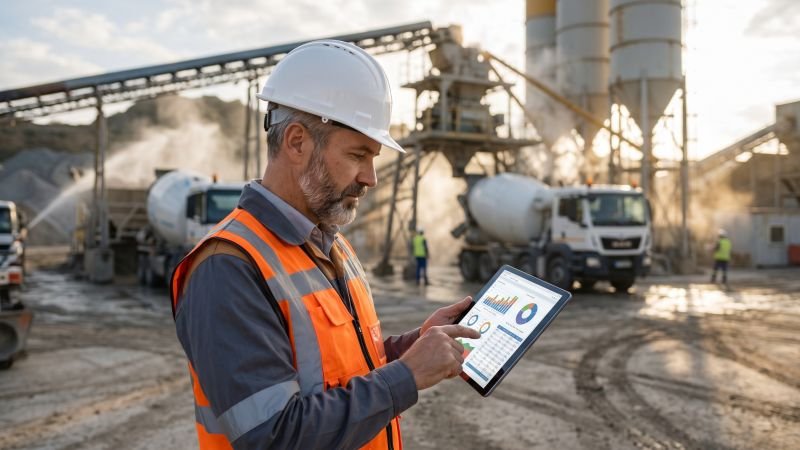
Calculating the return on investment (ROI) requires comparing two primary costs. You must compare the high retail price of purchasing commercial ready-mix concrete against the lower wholesale cost of producing materials on-site. Next, you divide your total capital investment by those daily savings. This calculation reveals your exact breakeven point and payback period.
Purchasing Ready-Mix vs. On-Site Production Savings
First, you must understand where your profit actually comes from. Your financial savings come from capturing the manufacturer’s profit margin.
When you buy ready-mix concrete from a commercial supplier, you pay retail prices. The supplier charges you for raw materials, their overhead, delivery fees, and their profit. Currently, purchasing standard commercial ready-mix concrete often costs between $130 and $160 per cubic yard.
Conversely, producing your own concrete changes the math entirely. You only pay wholesale prices for raw materials. When you combine your cement, sand, gravel, and operating expenses, your self-produced cost drops significantly. Often, producing concrete on-site costs only $80 to $100 per cubic yard.
Therefore, you save roughly $50 for every single cubic yard you pour. This is exactly like a road contractor who stops buying hot mix from a commercial asphalt plant. By purchasing their own asphalt mixing plant, they stop paying the supplier’s retail markup and instantly capture the production profit for themselves.
Estimating the Breakeven Point and Payback Period
Next, you must use those savings to calculate your breakeven point. The breakeven point is the exact moment your plant pays for itself.
How do you calculate this? You simply divide your total initial setup cost by your savings per cubic yard. This formula tells you exactly how much concrete you must produce to recover your entire investment.
For example, imagine your total equipment and setup cost is $500,000. Furthermore, imagine your production savings are $50 per cubic yard.
Breakeven Volume = Total Setup Cost ÷ Savings per Cubic Yard
In this scenario, you must produce 10,000 cubic yards of concrete to break even ($500,000 ÷ $50 = 10,000).
After calculating the volume, you can determine your payback period in months. You divide your breakeven volume by your estimated monthly concrete usage. If your construction company pours 1,000 cubic yards per month, your plant will pay for itself in exactly 10 months. After month ten, every dollar saved becomes pure profit.
| Investment Metric | Example Calculation | Result |
|---|---|---|
| Total Setup Cost | Equipment + Installation | $500,000 |
| Savings Per Yard | Ready-Mix Price – On-Site Cost | $50 / yd³ |
| Breakeven Volume | $500,000 ÷ $50 | 10,000 yd³ |
| Payback Period | 10,000 yd³ ÷ 1,000 yd³/month | 10 Months |
Buying New vs. Used Concrete Batch Plants
When building a business plan, contractors face a critical choice between purchasing brand-new equipment or trying to save upfront capital with a used system.
Choosing between a new and used concrete batch plant depends on your budget, project timeline, and risk tolerance. Used equipment offers a 30% to 50% discount on the initial purchase price but carries a higher risk of unexpected mechanical failure. Conversely, brand-new machinery guarantees maximum reliability, comes with a factory warranty, and features the latest automated technology, making it ideal for long-term commercial operations.
Pros and Cons of Purchasing Used Equipment
First, let us examine the financial appeal of the used market. The most obvious advantage is the immediate price reduction. You can often purchase a used plant for half the price of a new one. This massively lowers your initial capital barrier. Furthermore, used plants are available immediately. You completely bypass the standard manufacturing wait times.
However, the disadvantages are equally significant. Concrete production is an incredibly abrasive process. Therefore, a used plant often hides severe wear and tear. You might simply inherit the previous owner’s mechanical problems.
Think of this like buying a used cone crusher from a hard rock quarry. The outer steel frame might look perfectly strong and clean. Yet, the internal bronze bushings and heavy manganese mantles could be completely worn out and ready to fail.
In a used batch plant, the hidden dangers lie inside the mixing chamber. You must carefully inspect the central mixer wear liners, pneumatic cylinder valves, and electronic load cells. If these critical components fail, your emergency repair costs will quickly erase any initial savings. Because the condition of used machinery varies wildly, you must verify the exact operating hours and maintenance logs with the seller before making a purchase.
| Factor | New Batch Plant | Used Batch Plant |
|---|---|---|
| Initial Price | Premium cost (100%) | Discounted cost (50% – 70%) |
| Availability | Requires manufacturing lead time | Available immediately |
| Maintenance Risk | Very low (covered by warranty) | High (hidden wear and tear) |
| Technology | Latest PLC software and sensors | Older, outdated control panels |
When to Invest in Brand New Machinery
Sometimes, buying new is the only logical business decision. You should absolutely invest in brand-new machinery when you are building a permanent, high-volume ready-mix business. In this scenario, daily reliability is your absolute top priority.
Brand-new plants include a comprehensive factory warranty. This warranty acts as a safety net. It protects your cash flow from sudden, expensive repair bills during your critical first year of operation. Additionally, new plants feature the latest automated software. This modern technology ensures hyper-accurate material weighing. As a result, you consistently meet the strict concrete strength requirements demanded by government engineers.
Consider the intense demands of paving a federal airport runway. You would never use an unreliable, aging slip-form concrete paver for such a strict contract. A mechanical breakdown mid-pour would ruin the entire concrete slab and cost thousands in contract penalties. Similarly, supplying high-grade commercial concrete requires the guaranteed uptime of a brand-new batch plant.
Finally, new machinery allows for exact project customization. You can design the aggregate bins, silo capacities, and loading ramps to fit your specific land layout perfectly.
Conclusion
Investing in a concrete batch plant is a substantial financial decision that extends far beyond the initial equipment price tag. To build an accurate and realistic business plan, you must account for the full financial picture: machinery configurations, initial capital expenditures (CAPEX) for land, foundations, and permits, supporting vehicle fleets, and daily operating costs (OPEX).
By producing concrete on-site rather than purchasing commercial ready-mix, contractors and suppliers can capture massive per-yard savings, often achieving full equipment payback in less than a year. Whether you opt for a cost-effective mobile dry batch unit or an industrial-scale stationary wet mix facility, tailoring the plant to your specific output requirements is the key to maximizing profitability.
If you need professional assistance evaluating equipment configurations, calculating your project’s exact ROI, or selecting the right batching system for your budget, please contact us.