-
Whatsapp: +86 15938761000
-
Email: likang@shconcretemixer.com
-
Address: Shenglong Youyi City, Zhongyuan District, Zhengzhou City, Henan Province
-
Whatsapp: +86 15938761000
-
Email: likang@shconcretemixer.com
-
Address: Shenglong Youyi City, Zhongyuan District, Zhengzhou City, Henan Province

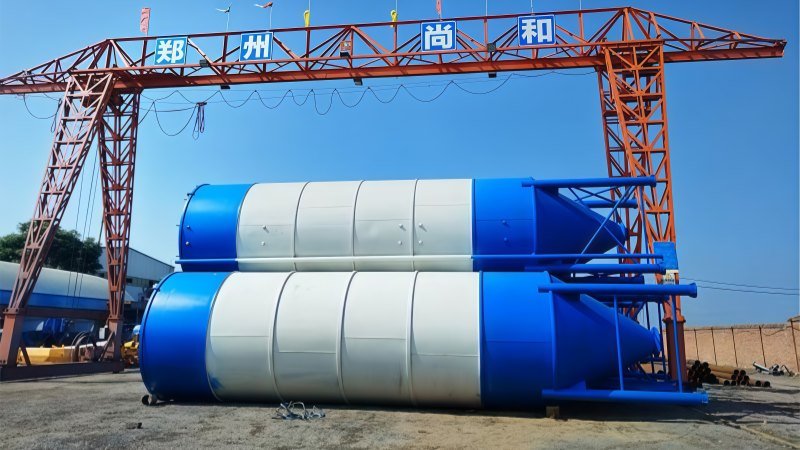
What is a Mortar Batching Plant?
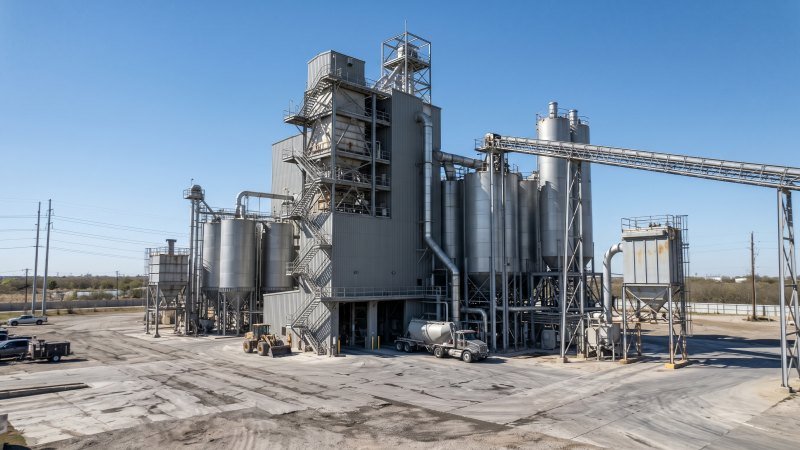
What exactly is a mortar batching plant and what role does it play in the modern construction materials industry?
A mortar batching plant is an automated industrial facility designed to accurately proportion, blend, and package dry building materials. It combines dried aggregates, cementitious binders, and specialized chemical additives without any water to produce high-quality, ready-to-use dry mortar for masonry, plastering, and finishing applications.
Dry Mix vs. Wet Mix Plants: The Fundamental Differences
What exactly separates a dry mortar facility from a traditional wet mix plant?
The main difference is when you add water. Dry mix plants blend dry sand, powders, and chemical additives without any liquid. This creates a dry mortar mix that requires water addition later at the job site. Conversely, wet mix plants combine all raw materials with water inside a central mixer. They discharge ready-to-use wet mortar directly into transport trucks.
Where and When Water is Added
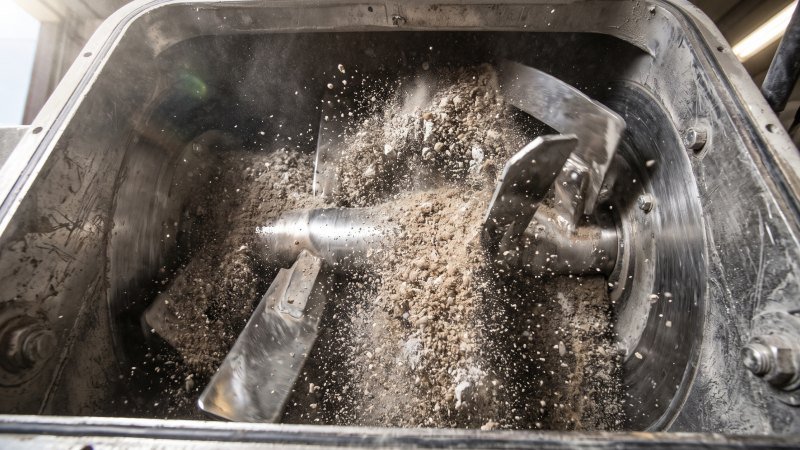
The timing of water integration defines the entire production process. Specifically, a dry mix plant strictly handles dry materials. Operators blend specialized powders and dried aggregates to create a uniform, dry product. The mortar remains completely dry during storage and transit. Construction workers finally add water using a continuous mixer or manual tools directly at the application site.
On the other hand, a wet mix plant introduces water early. The system measures water and pumps it directly into the central mixing chamber alongside the cement and aggregates. Therefore, the plant produces a wet slurry that immediately begins its chemical curing process.
Consider a pneumatic conveying system moving dry bulk powder, compared to a heavy-duty mortar pump pushing wet slurry. The dry system relies on air flow to move weightless dust, while the wet system must force dense, heavy liquid through pipes. This mechanical difference mirrors how these two plants handle their respective materials.
Consequently, moisture control is crucial for dry plants. Raw aggregates must typically achieve a moisture content of less than 0.5% before mixing to ensure the final product does not clump or activate prematurely during storage.
Equipment and Transportation Variations
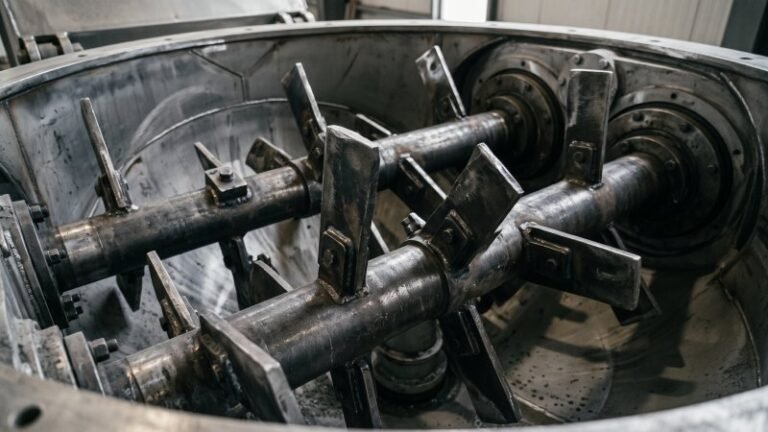
Because the moisture handling differs, the required machinery and transportation methods also change significantly. A dry mortar batching plant requires a dedicated sand drying system. It cannot process wet, natural sand. Furthermore, it uses dry powder mixers, such as plowshare mixers, designed to disperse fine chemical additives without clumping.
Meanwhile, a wet mix plant does not need a sand dryer. It utilizes natural aggregates straight from the stockpile. Its core machine is usually a robust twin-shaft or pan mixer built to handle the torque of wet slurry.
Transportation methods reflect these mechanical differences.
| Feature | Dry Mix (Dry Mortar Plant) | Wet Mix (Wet Mortar Plant) |
|---|---|---|
| Material State | Dry powder and sand | Wet, curing slurry |
| Aggregate Prep | Requires a rotary sand dryer | Uses natural, wet aggregates |
| Core Mixer Type | Dry powder plowshare or ribbon mixer | Twin-shaft or pan mixer |
| Transport Vehicle | Dry bulk tankers or flatbeds for bags | Rotating transit mixer trucks |
| Storage Life | Can be stored for months if kept dry | Must be applied within a few hours |
As shown above, dry mortar offers superior logistical flexibility. You can transport dry mix in bulk tankers or packaged bags. In contrast, wet mortar requires transit mixer trucks that must continuously rotate to prevent the material from setting during transit.
Distinct Application Scenarios
Ultimately, contractors choose these plants for completely different construction tasks. Dry mix plants produce highly specialized, recipe-driven products. These include tile adhesives, wall putty, self-leveling compounds, and thermal insulation mortar.
Extended Storage vs. Immediate Application
Wet mortar plants serve high-volume, immediate masonry and plastering needs. Because the mix already contains water, workers must apply the mortar within a strictly limited timeframe before it hardens. This makes wet plants ideal for supplying large-scale bricklaying projects within a short delivery radius.
Conversely, dry mortar is the material of choice for highly customized finishing work and long-term storage. The dry plant process allows manufacturers to add sensitive polymer additives that remain stable in a dry state for months. Workers can then mix small, precise batches of high-performance tile adhesive exactly when and where they need it on the job site.
How a Mortar Batching Plant Works
What is the exact step-by-step process that turns raw, dry materials into a perfectly blended mortar mix?
A mortar batching plant works through a sequential process of storing, feeding, weighing, mixing, and discharging dry materials. First, elevators and pumps feed raw sand and powders into designated silos. Next, the system precisely weighs each ingredient according to a programmed recipe. Then, a central mixer aggressively blends these dry components until completely uniform. Finally, the finished dry mortar is discharged into bulk trucks or packaging bags for distribution.
Material Feeding and Storage
The operation begins by receiving and preparing the raw materials. Natural sand first passes through a rotary drying drum. This step removes excess water. Typically, the sand moisture level must drop below 0.5% to prevent the final product from clumping. Because drying efficiency depends heavily on your local climate and the initial aggregate condition, you should always verify the exact drying capacity and required fuel consumption with your equipment supplier.
Once dry, bucket elevators lift the sand into elevated storage bins. Meanwhile, tanker trucks deliver fine powders like cement and fly ash. Similar to how a pneumatic pump transfers bulk cement at a standard bulk powder facility, compressed air blows these fine powders directly into their respective silos. This enclosed feeding process actively controls dust and keeps the materials perfectly dry until needed.
Precision Weighing and Dosing
After storage, the plant moves into the batching phase. This step is entirely recipe-driven. The automation system commands screw conveyors to pull specific amounts of material from the silos.
These materials drop into suspended weigh hoppers. Load cells measure the exact weight of each ingredient. Precision is absolutely critical here. For heavy bulk materials like sand and cement, the system allows a small margin of error. However, chemical additives require extreme accuracy.
| Material Category | Typical Ingredients | Standard Weighing Tolerance |
|---|---|---|
| Bulk Aggregates | Silica sand, crushed stone | ± 2.0% |
| Binders | Cement, fly ash, gypsum | ± 1.0% |
| Chemical Additives | Cellulose ether, polymers | ± 0.5% |
If the plant overdoses a chemical additive, daily production costs will spike. If it underdoses, the mortar will fail to adhere to the wall properly. Therefore, modern facilities utilize specialized micro-dosing systems to handle these expensive chemicals safely and accurately.
The Core Mixing Process
Once the hoppers confirm the correct weights, they release the materials into the mixing chamber. This is the heart of the operation. The mixer must create a completely homogenous blend of drastically different particle sizes.
Think of how a high-speed asphalt pugmill forces hot aggregate and bitumen together using rotating paddles. The dry mortar mixer uses a very similar mechanical principle. A central shaft spins rapidly, throwing the heavy sand and light powders into a fluid, weightless state. This aggressive agitation forces the fine chemical powders to coat the larger sand particles evenly.
Typically, a standard batch takes between 120 and 180 seconds to blend completely. The mixing unit must operate quickly without generating excessive friction heat, which could easily degrade sensitive polymer additives.
Discharge and Packaging
The final stage involves moving the blended mortar out of the mixer. Large pneumatic doors open at the bottom of the mixing chamber. The batch drops immediately into a finished product hopper. This secondary hopper acts as a buffer. It allows the mixer doors to close so a new batch can start immediately, greatly increasing overall hourly production.
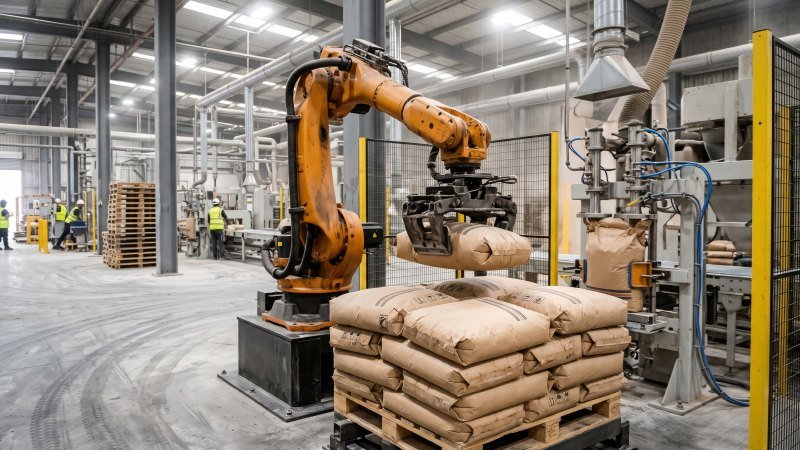
From the buffer hopper, the dry mortar flows down to the packaging area. Plants generally offer two main discharge routes. For large commercial projects, gravity chutes load the dry mortar directly into enclosed bulk tanker trucks. For retail distribution or smaller jobs, automated packing machines inject the mix into standard valve bags.
“High-capacity rotary packers can reliably fill up to 2,000 bags per hour, ensuring continuous plant operation without bottlenecks.”
Automated palletizers then stack these bags onto wooden pallets, wrap them securely in stretch film, and stage them for final transport.
Essential Components of the System
What exact machinery forms the physical backbone of a dry mortar plant?
A modern mortar batching plant consists of five vital mechanical systems. It features steel storage silos to protect bulk materials from moisture. Bucket elevators and screw conveyors handle all internal material transport. Precision weigh hoppers and load cells measure exact recipe quantities. A specialized dry powder mixer acts as the core processing unit. Finally, a computerized control panel automates and monitors the entire facility.
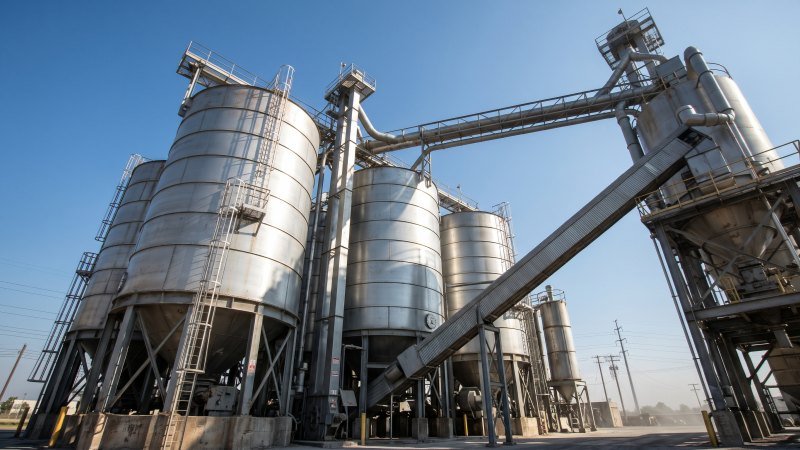
Storage Silos for Aggregates and Powders
Silos serve as the primary storage units for all raw ingredients. These tall, cylindrical steel structures keep materials completely dry. Moisture is the biggest enemy of dry mortar. Therefore, silos must remain strictly airtight.
Plants use different silos for different materials. Large capacity silos hold dry sand. Conversely, smaller silos store fine powders like cement, lime, and fly ash. Similar to how industrial dust collectors use heavy-duty filter cartridges to trap airborne particulates, powder silos feature top-mounted dust filters. These filters prevent severe dust pollution when bulk tankers pump powder into the silo pneumatically.
Typically, individual silo storage capacities range between 50 and 200 tons. Structural load limits and steel thickness requirements vary widely based on regional wind loads and seismic activity to ensure site safety.
Conveyors and Bucket Elevators
Once materials are securely stored, the plant must move them. However, dry sand and fine cement require completely different transport mechanisms.
For lifting heavy, abrasive sand vertically, plants use bucket elevators. A bucket elevator consists of a heavy-duty rubber belt or steel chain equipped with metal scoops. It continuously scoops sand from the bottom and dumps it into overhead bins. This vertical lifting design saves massive amounts of ground space. It functions just like the cold feed elevator on a continuous asphalt mixing plant.
Why do powders need a different transport method? Fine cement flows like water and creates massive dust clouds. Therefore, plants use enclosed screw conveyors to move powders. A screw conveyor features a rotating helical blade inside a steel tube. This enclosed tube securely pushes the powder forward without any dust escaping into the air.
The Mixer Unit
The mixer is the mechanical heart of the entire facility. Unlike wet mortar mixers, these machines must blend completely dry ingredients without generating excessive heat. Manufacturers primarily use two distinct types of dry mixers.
| Mixer Type | Mechanism | Best Application |
|---|---|---|
| Twin-Shaft Paddle Mixer | Two counter-rotating shafts create a weightless fluid zone. | High-capacity production of standard masonry mortar. |
| Single-Shaft Plowshare Mixer | High-speed plow-shaped blades aggressively scatter materials. | Specialized mortar containing sensitive chemical additives and fibers. |
The twin-shaft paddle mixer is incredibly fast. It forces the aggregates to cross paths in mid-air, ensuring a rapid, uniform blend. Meanwhile, the plowshare mixer features secondary high-speed choppers. These choppers break apart tight clumps of pigment or fiber, making it ideal for highly customized tile adhesives.
Weigh Hoppers and Sensors
Before entering the mixer, every ingredient must be measured perfectly. Weigh hoppers act as the plant’s scale system. These suspended steel bins sit on top of highly sensitive electronic load cells.
When a screw conveyor feeds cement into the hopper, the load cell measures the weight in real-time. Once the weight hits the target recipe number, a pneumatic butterfly valve instantly shuts off the material flow.
Accuracy is non-negotiable here. Standard industrial load cells provide measurement precision down to 0.2% of the total scale capacity. Furthermore, plants use a completely separate, smaller micro-weighing hopper for expensive chemical additives like cellulose ether. This prevents heavy sand from damaging the sensitive micro-sensors.
Automation and Control Panel
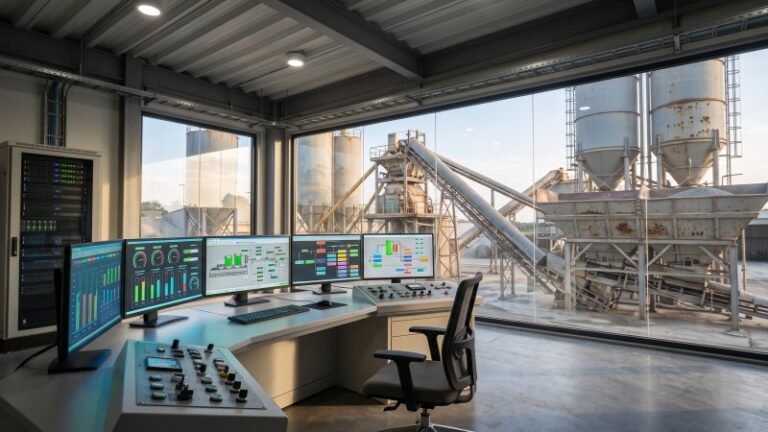
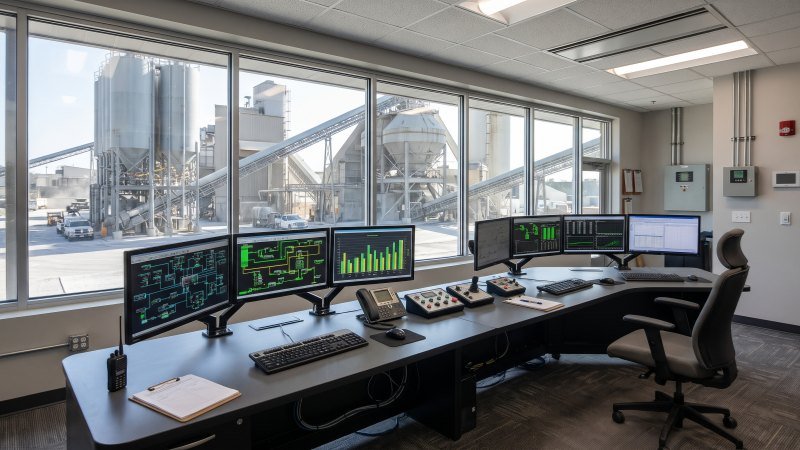
A mortar batching plant is not operated manually. Instead, an industrial automation system acts as the plant’s brain. The control panel houses a Programmable Logic Controller (PLC) and a computer terminal.
Operators simply input the desired mortar recipe into the software. The PLC then automatically controls every motor, valve, and conveyor. It ensures materials are weighed, mixed, and discharged in the exact correct sequence.
“Modern SCADA software can store thousands of unique mortar recipes, allowing operators to switch products with a single click.”
Additionally, the control panel monitors safety. It tracks motor temperatures, monitors silo material levels, and triggers immediate alarms if a mechanical fault occurs. This smart automation ensures consistent product quality and protects the expensive machinery from accidental damage.
Stationary vs. Mobile Plants: Choosing the Right Setup
How do you decide between installing a permanent mortar production facility and utilizing a portable batching system?
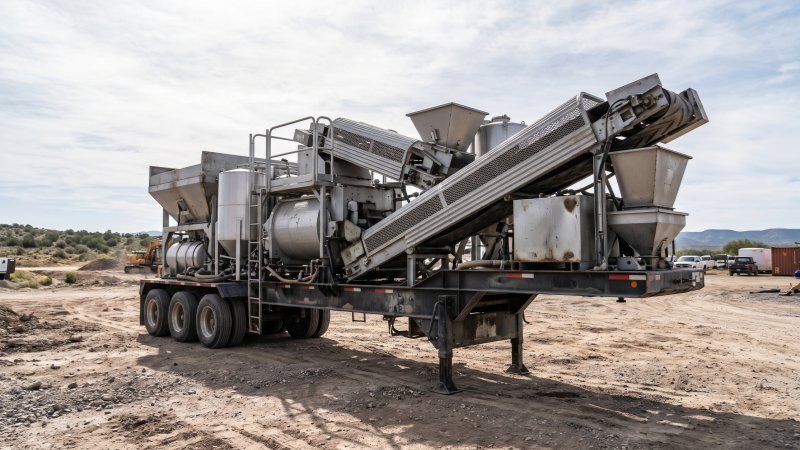
The choice between stationary and mobile plants depends entirely on your production volume and site mobility requirements. Stationary plants feature massive storage capacities and high-output mixers, making them ideal for long-term commercial manufacturing. Conversely, mobile plants integrate the essential mixing components onto a wheeled chassis, allowing contractors to transport the system quickly between temporary job sites.
Benefits of Stationary Systems for High Volume Production
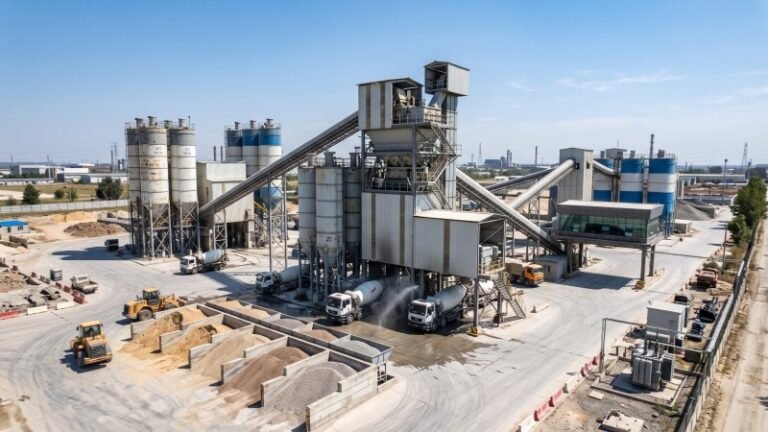
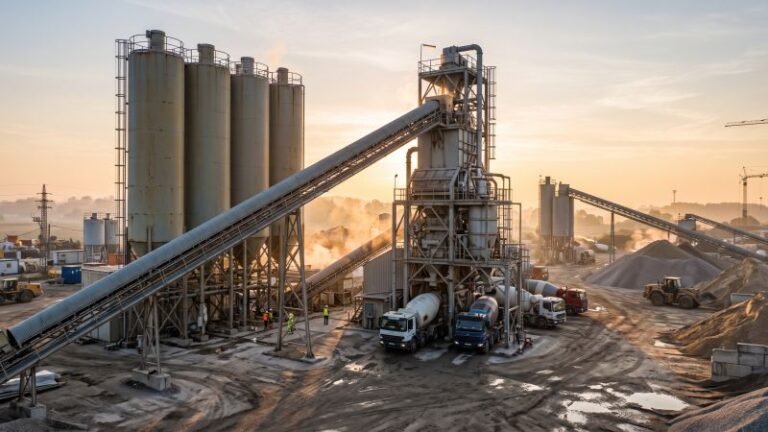
Stationary mortar plants are built for massive, continuous output. These facilities operate much like a large-scale commercial asphalt refinery. They remain fixed in one location to mass-produce materials for widespread distribution.
Typically, manufacturers build these plants using a towering, vertical design. Gravity pulls the dry sand and powders downward through the weighing and mixing stages. This vertical material flow significantly reduces daily energy consumption. Furthermore, heavy-duty stationary systems easily achieve production rates exceeding 100 tons per hour.
Therefore, large building material suppliers rely on these fixed plants. They produce specialized retail products, such as bagged tile adhesives and wall putties.
“A fully automated stationary plant can operate 24 hours a day, providing the massive volume required for regional mortar distribution.”
In addition, fixed plants accommodate much larger storage silos. You can easily store hundreds of tons of bulk cement and dried sand on-site. This vast storage capacity protects your daily production schedule from unexpected raw material supply delays.
Advantages of Mobile Units for Flexible Sites
Mobile mortar plants prioritize agility over maximum output. Think of a crawler-mounted mobile rock crusher that drives directly to a quarry face. Similarly, a mobile batching plant travels directly to the active construction site.
Engineers design these compact units with all core components pre-wired and pre-plumbed. They mount the entire system on a robust steel trailer chassis. As a result, contractors do not need to pour massive concrete foundations. You simply tow the plant to the job site, level the chassis, and begin production.
This smart design drastically reduces setup times.
| Feature | Stationary Plant | Mobile Plant |
|---|---|---|
| Installation Time | 30 to 60 days | 2 to 5 days |
| Foundation Required | Heavy structural concrete | Flat, compacted ground |
| Average Output | 30 to 100+ tons/hour | 5 to 20 tons/hour |
| Primary Application | Commercial retail bagging | On-site project supply |
While mobile units produce less material per hour, they completely eliminate expensive transportation costs. You do not have to pay bulk tankers to haul dry mortar across long distances. Instead, you mix the exact amount of material you need, exactly where you need it.
Ultimately, remote infrastructure projects highly favor mobile setups. For example, contractors building isolated highway tunnels often use mobile plants. They produce customized shotcrete materials on-site, smoothly moving the equipment forward as the tunnel excavation progresses.
Crucial Factors for Buyers to Consider
What are the most important criteria to evaluate before purchasing a dry mortar manufacturing system?
Before investing in a mortar batching plant, buyers must evaluate three primary factors to ensure long-term profitability. First, you must match the plant’s hourly production capacity directly to your actual market demand. Second, you must carefully assess your available land footprint and vertical height restrictions. Finally, you must balance the initial equipment purchase price against ongoing operational and maintenance expenses.
Matching Production Capacity to Project Needs
How much dry mix do you actually need to produce each day? Choosing the correct production capacity is critical. If you buy a massive 100-ton-per-hour plant for a small regional market, your expensive equipment will sit idle. Conversely, an undersized plant will cause severe supply bottlenecks.
Think of sizing a heavy-duty jaw crusher for a mining operation. You would never install a massive 500-ton-per-hour primary crusher if your loader trucks can only deliver 100 tons per hour. The same logic applies here. You must perfectly align your mortar mixer size with your daily sales volume.
Typically, small regional suppliers start with a 10 to 20 tons-per-hour capacity. Meanwhile, major commercial distributors require 50 to 100 tons per hour. Because actual output rates can fluctuate based on specific material densities and customized mixing times, you should always verify the exact production capabilities with your equipment supplier.
Evaluating Site Layout and Footprint Constraints
Land availability heavily dictates your equipment choice. Before ordering a plant, you must inspect your factory layout.
Dry mortar plants generally follow two distinct layout designs: vertical towers and horizontal lines. Tower plants stack the silos, weigh hoppers, and mixers vertically. This setup saves valuable ground space. However, they require extreme vertical clearance, often exceeding 30 meters in height. Horizontal plants spread the components across the ground. They require much less overhead clearance but consume a significantly larger land footprint.
This is very similar to installing an overhead bridge crane in a steel workshop. You must meticulously measure the exact roof clearance and runway length before ordering the lifting hoist.
Additionally, you must plan for heavy truck traffic. Bulk tankers and flatbed trucks need a wide turning radius to load and unload materials safely. Therefore, proper site evaluation prevents costly installation delays later.
Balancing Initial Investment with Long-Term Operating Costs
Many buyers focus entirely on the initial purchase price. However, long-term operating costs often dictate your actual profit margins. A cheap batching plant might save you money upfront. Yet, it could cost you severely in electrical consumption, manual labor, and frequent part replacements.
For example, investing in a high-efficiency twin-shaft mixer costs more initially. However, it significantly reduces daily power usage and cuts mixing time in half. Over five years, these daily energy savings easily cover the higher initial price tag.
| Cost Category | Initial Investment (CAPEX) | Long-Term Costs (OPEX) |
|---|---|---|
| Equipment & Machinery | Mixer, silos, sensors, control PLC | Wear parts (blades, steel liners) |
| Facility Setup | Concrete foundation, installation | Daily electricity, fuel for sand drying |
| Workforce | Setup and commissioning fees | Daily operator wages, maintenance labor |
“Prioritizing high-quality wear parts during the initial purchase drastically reduces expensive factory downtime later.”
Therefore, you must look beyond the sticker price. Calculate the expected cost per ton of mortar produced over a five-year period. By doing this, you will make a financially sound decision that protects your long-term business growth.
Conclusion
A mortar batching plant is a highly precise, engineered system that transforms raw sand and chemical powders into specialized building materials. By understanding the core mechanics—from automated material feeding and precision weighing to the intense blending of the mixer unit—you can better evaluate which configuration suits your operation. Whether you need a towering stationary plant for commercial retail distribution or a compact mobile unit for on-site tunnel work, aligning your equipment capabilities with your market demand is the key to success.
If you require professional assistance in evaluating your site layout, matching production capacity, or configuring the exact equipment for your project, please contact us.