-
Whatsapp: +86 15938761000
-
Email: likang@shconcretemixer.com
-
Address: Shenglong Youyi City, Zhongyuan District, Zhengzhou City, Henan Province
-
Whatsapp: +86 15938761000
-
Email: likang@shconcretemixer.com
-
Address: Shenglong Youyi City, Zhongyuan District, Zhengzhou City, Henan Province

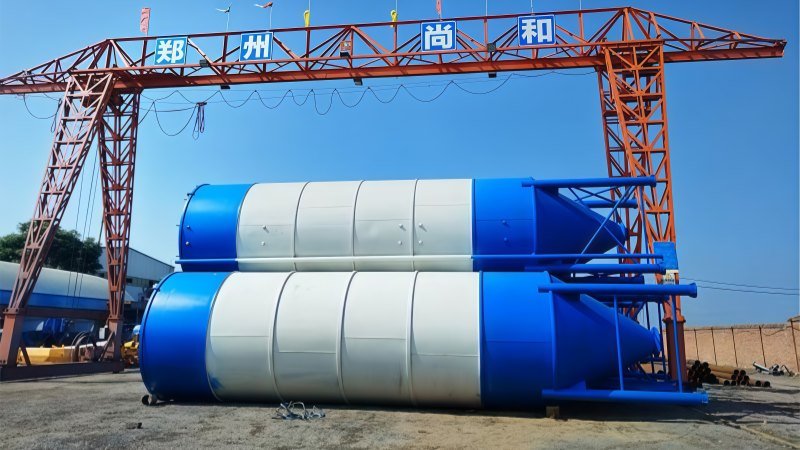
What Is a Batching Plant Used For?
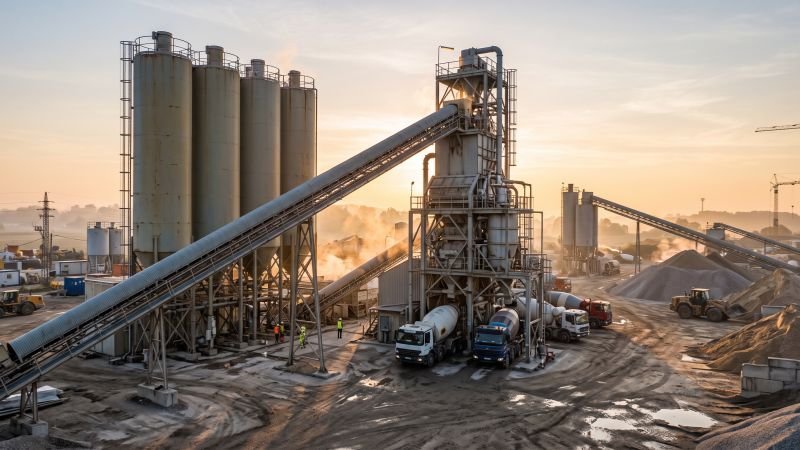
What exactly is a batching plant used for in modern commercial and industrial construction projects?
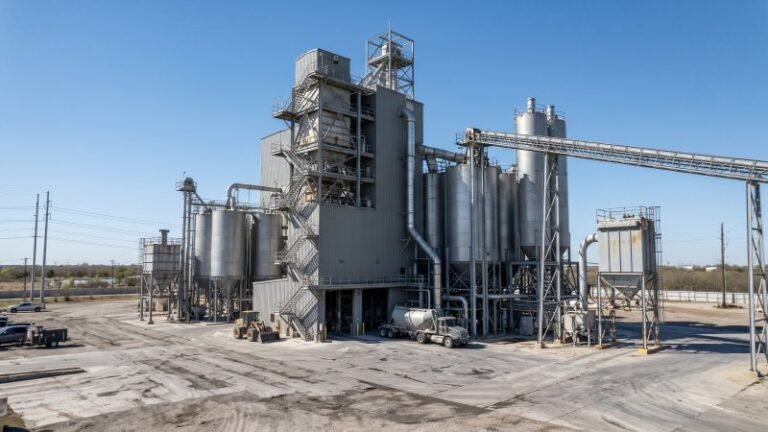
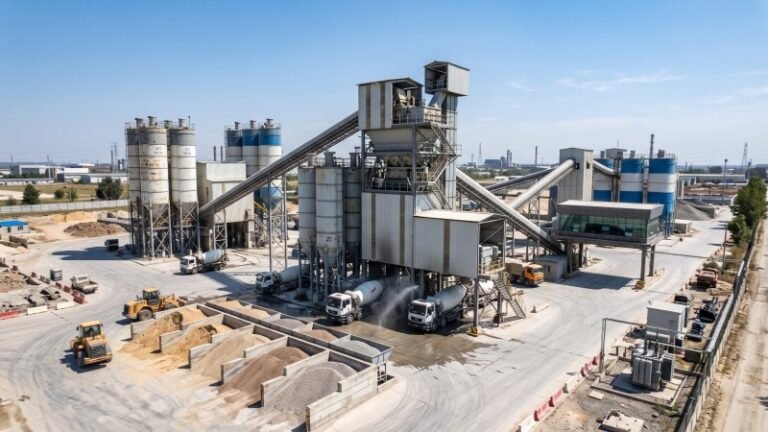
A batching plant is an industrial facility used to combine raw materials—such as water, cement, sand, and aggregates—in precise proportions to produce high-quality concrete. It serves as the central automated production hub for large-scale construction, ensuring a continuous, standardized, and high-volume supply of structural concrete directly for infrastructure, urban development, and precast manufacturing.
Large-Scale Infrastructure and Transportation Networks
How exactly is a batching plant used to build massive infrastructure and transportation networks?
A batching plant is used to continuously produce high volumes of precise, industrial-grade concrete required for structural foundations, roadbeds, and support columns. It mixes aggregates, cement, and water on a massive scale, ensuring the structural integrity of highways, bridges, and railways across long distances.
Highway Paving and Road Expansion Projects
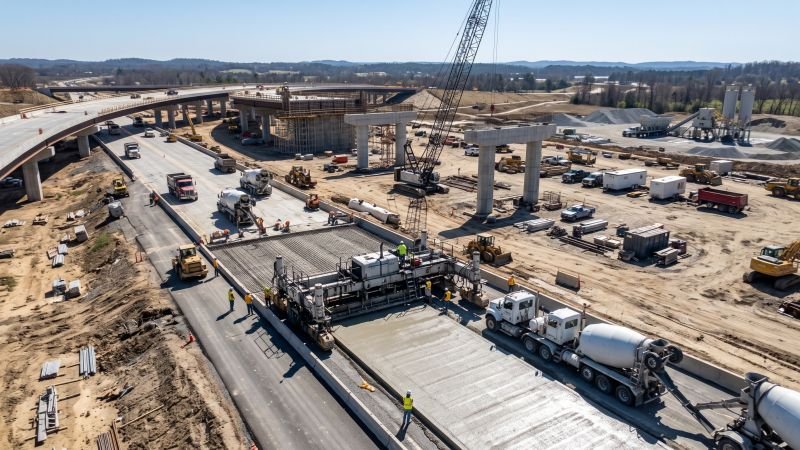
When crews build a new highway, they need thousands of tons of concrete. Consequently, they use a batching plant to mix this material right next to the site. Are you wondering why they do not just use normal cement trucks? A single truck simply cannot carry enough material for a massive road project.
Instead, a dedicated plant provides a continuous flow of concrete. This constant supply is fed directly into slip-form paving machines. Think of this setup like a continuous conveyor system in a gravel crushing plant. If the crusher stops producing, the entire sorting line halts. Similarly, if the batching plant stops, the paving machine stops. This interruption can create weak joints in the road surface.
Furthermore, highway projects often require mobile plants for flexibility. These plants typically produce between 120 and 240 cubic meters of concrete per hour. However, actual output capacities can vary based on the manufacturer’s specific configurations, so always verify exact production limits with your equipment supplier when planning highway pours. By keeping the plant close to the paving area, contractors prevent the concrete from drying out before it is poured.
Bridge Piers and Suspended Deck Construction
Bridge construction demands extreme structural precision. Therefore, engineers use batching plants to create highly specialized, high-strength concrete mixes. This concrete forms the massive support columns, known as piers, and the flat driving surface, called the suspended deck.
Bridges often cross deep rivers or wide valleys. Because of this, the wet concrete must be pumped over very long distances. A batching plant precisely controls the water-to-cement ratio. This exact measurement ensures the mixture remains fluid enough to pump, yet strong enough to support heavy traffic. Just as precision grouting is required to safely anchor a massive tower crane to its foundation, bridge concrete must fill every mold perfectly without any hidden air pockets.
Here is a quick look at how batching plants serve different bridge components:
| Bridge Component | Concrete Requirement | Primary Purpose |
|---|---|---|
| Bridge Piers | High-strength, low-heat concrete | To support massive vertical weight without cracking during the curing process. |
| Suspended Decks | Fiber-reinforced concrete mix | To resist daily wear from car tires, heavy trucks, and harsh weather. |
| Underwater Foundations | Anti-washout concrete | To prevent river currents from washing away the cement before it fully hardens. |
By utilizing a dedicated plant, project managers guarantee that every single batch meets strict structural safety standards.
Railway Sleeper Production and Track Foundations
Trains require perfectly level tracks to operate safely. This is especially true for modern high-speed rail lines. To achieve this stability, construction teams rely on batching plants to cast concrete railway sleepers and solid track foundations. Sleepers are the heavy rectangular blocks that sit directly underneath the steel rails.
In the past, railways used wooden sleepers. Today, concrete is the standard because it handles heavier loads and lasts much longer. A batching plant produces the exact dry-cast concrete needed for these blocks. The entire process is highly controlled. It is very similar to how pre-stressed concrete beams are manufactured in a controlled factory environment. Every single sleeper must hold the exact same weight to keep the tracks aligned.
Additionally, high-speed trains demand rigid “ballastless” tracks. Instead of resting on loose rocks, the steel tracks are bolted directly onto continuous concrete slabs. A batching plant mixes the incredibly tough concrete required for these permanent slabs. This guarantees zero track settlement over time. As a result, passenger trains can safely travel at speeds exceeding 200 miles per hour. Without the precise mix from a batching plant, the rails would eventually shift, making high-speed travel dangerous.
Commercial and Residential Urban Development
In densely populated urban environments, batching plants are critical for constructing massive skyscrapers and sprawling residential complexes.
A batching plant is used to produce consistent, high-strength concrete directly near urban job sites. It allows contractors to pour massive skyscraper foundations continuously without stopping. Furthermore, the plant efficiently supplies the vast volumes of material required for high-rise structural columns and sprawling residential developments.
Continuous Foundation Pouring for High-Rise Towers
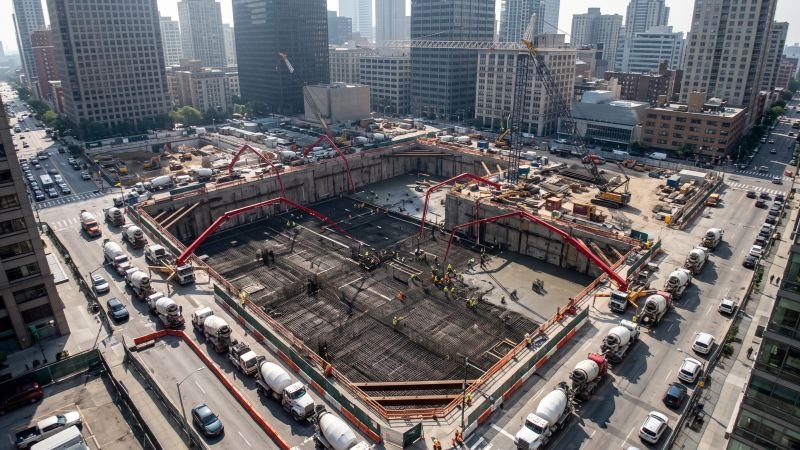
High-rise towers require incredibly thick concrete bases called mat foundations. Therefore, builders must pour the concrete continuously over several days. If the pouring process stops, the concrete hardens unevenly. This pause creates a weak structural boundary known as a cold joint. To prevent this dangerous flaw, developers use a high-capacity batching plant to maintain a non-stop supply of wet concrete.
This continuous flow requirement is very similar to operating a tunnel boring machine. If the boring machine stops advancing underground, the surrounding earth pressure can cause structural faults in the tunnel walls. Constant forward momentum is mandatory. Similarly, constant concrete pouring is strictly required for deep skyscraper foundations.
A typical skyscraper mat foundation might require 5,000 cubic meters of concrete poured continuously over 48 hours. Plants used for this massive task often feature heavy-duty twin-shaft mixers. These mixers generally output around 120 cubic meters of concrete per hour, though actual production rates fluctuate based on hopper sizes and motor power ratings. By stationing a plant nearby, project managers eliminate traffic delays and guarantee an uninterrupted pour.
Casting Structural Columns and Floor Slabs
Once the foundation is properly set, a building goes up vertically floor by floor. A batching plant is used to mix highly specific concrete grades for structural columns and floor slabs. These two building elements require completely different material strengths.
Columns bear the heavy vertical weight of the entire building. Consequently, they require extremely strong concrete. Conversely, floor slabs simply provide a flat walking surface and require less structural strength. The batching plant allows operators to switch concrete recipes instantly between batches. This automated adjustment process is similar to an asphalt batching plant instantly switching aggregate sizes to produce different grades of asphalt for base and surface courses.
Here is a look at how a batching plant serves these different urban building components:
| Building Element | Concrete Strength Grade | Primary Structural Function |
|---|---|---|
| Structural Columns | C50 to C80 (High-Strength) | Safely supports the total vertical load and wind resistance of the skyscraper. |
| Floor Slabs | C30 to C40 (Standard) | Provides horizontal working surfaces and vertical floor separation. |
By using an automated plant, contractors ensure that the columns get the heavy-duty mix while the slabs get the standard mix. This precision saves money on expensive cement while maintaining total building safety.
Supplying High-Volume Concrete for Mass Housing
Mass housing projects involve building dozens or hundreds of residential homes simultaneously. In these massive suburban scenarios, a batching plant is used to act as a central material hub. It dramatically speeds up the neighborhood development process.
Instead of relying on distant commercial ready-mix suppliers, developers install a temporary batching plant right next to the new neighborhood. This setup guarantees that every single house foundation, driveway, and sidewalk uses the exact same standardized mixture. Furthermore, it completely eliminates costly delays caused by unpredictable city traffic.
“Deploying an on-site batching plant for residential developments exceeding 500 units can reduce concrete transit times by over 60%, drastically improving the daily foundation pour rate.”
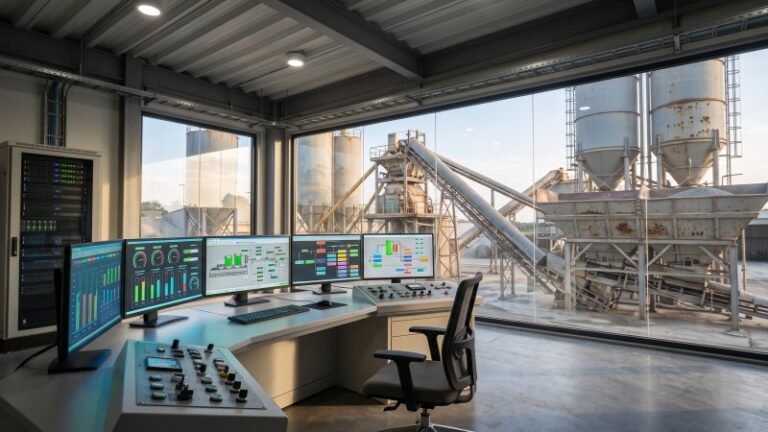
When building 500 houses, speed and uniformity are critical. The plant operators program a standard mix design into the control computer. The batching plant then perfectly replicates this exact mix hundreds of times. As a result, the concrete foundation of the first house perfectly matches the concrete foundation of the last house.
Manufacturing Precast Concrete Elements
Inside a precast factory, a batching plant acts as the beating heart of the production line for standardized concrete elements.
A batching plant serves as the central mixing hub within a precast factory. It produces extremely dry, high-strength concrete continuously. This precise material is poured into reusable steel molds. The factory cures these standardized structural components indoors before safely shipping them to various job sites.
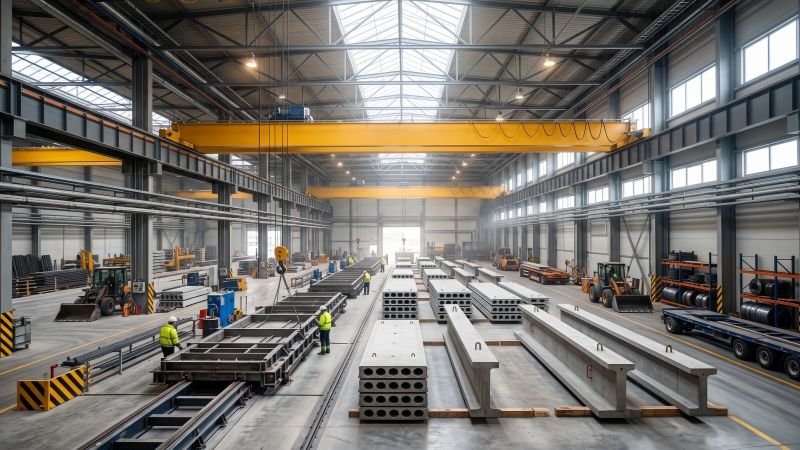
Producing Hollow Core Slabs and Structural Girders
Hollow core slabs are long, flat concrete pieces with empty tunnels running inside them. Builders use them frequently for multi-story floors and flat roofs. Structural girders are massive horizontal beams. They safely support the heavy vertical weight of large buildings. Why do factories need a batching plant to make these?
These specific elements require a unique material called zero-slump concrete. It contains a very low amount of water. A batching plant precisely measures the water content using digital moisture sensors. This controlled process is very similar to a concrete block making machine, where the mixture must be perfectly damp to hold its shape under heavy vibration and pressure. If the concrete is too wet, the hollow tunnels inside the slab will simply collapse.
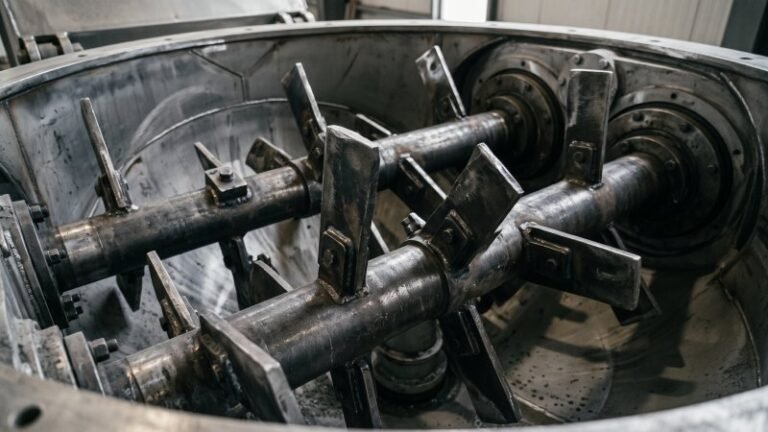
Therefore, factories use specialized planetary mixers within the batching plant. These mixers force the stiff material together aggressively. They typically handle 1 to 3 cubic meters per batch, depending on specific motor sizes and aggregate weights. This precise mixing guarantees the slabs can hold heavy loads immediately upon installation.
Manufacturing Concrete Pipes and Underground Drainage Systems
Modern cities rely on massive underground pipes to move stormwater and sewage safely. Factories manufacture these heavy-duty pipes using specialized spinning machinery. They pour concrete into cylindrical molds spinning at incredibly high speeds. Therefore, a batching plant is strictly required to provide the exact material mix.
The wet concrete must compact tightly against the steel molds. Any trapped air pockets will eventually cause the pipe to leak underground. The batching plant ensures an perfectly even distribution of fine aggregates and cement. This highly controlled mixing creates a completely watertight finished product.
Different underground environments require different concrete specifications from the batching plant.
| Pipe Application | Required Concrete Feature | Manufacturing Benefit |
|---|---|---|
| High-Pressure Water Mains | High-density aggregate mix | Prevents rushing water from bursting through the pipe walls. |
| Deep Underground Sewage | Sulfate-resistant cement | Protects the concrete surface from corrosive industrial waste chemicals. |
| Surface Stormwater Drains | Standard structural mix | Provides high impact resistance against heavy daily street traffic. |
By adjusting the digital recipes, the plant consistently produces durable pipes for any civil engineering project.
Creating Prefabricated Architectural Wall Panels
Architectural wall panels form the decorative outside walls of modern office buildings. These exterior panels must be structurally strong. They must also look perfectly identical to one another. A batching plant is used to achieve this exact visual consistency.
Factories often add color pigments or special crushed stones into the concrete mix. The batching plant uses automated chemical dispensers to measure these sensitive additives accurately. This precise dosing is similar to how a computerized asphalt plant injects exact amounts of liquid bitumen into crushed gravel. Every single batch receives the exact same ratio of ingredients.
Maintaining strict color consistency across hundreds of exterior building panels is impossible with manual mixing methods.
If a worker manually adds slightly too much pigment, one wall panel will look visibly darker than the others. The automated plant eliminates this costly human error entirely. Consequently, every prefabricated panel matches perfectly when contractors install them on the steel building frame.
Specialized Water Conservancy and Energy Projects
Extreme environments require highly specialized concrete, making customized batching plants essential for water containment and energy structures.
A batching plant is used to manufacture highly specialized, temperature-controlled concrete for extreme environments. It allows engineers to pour vast volumes of material continuously. This creates massive impermeable barriers for hydroelectric dams, wave-resistant seawalls, and vibration-proof foundations for heavy energy grids.
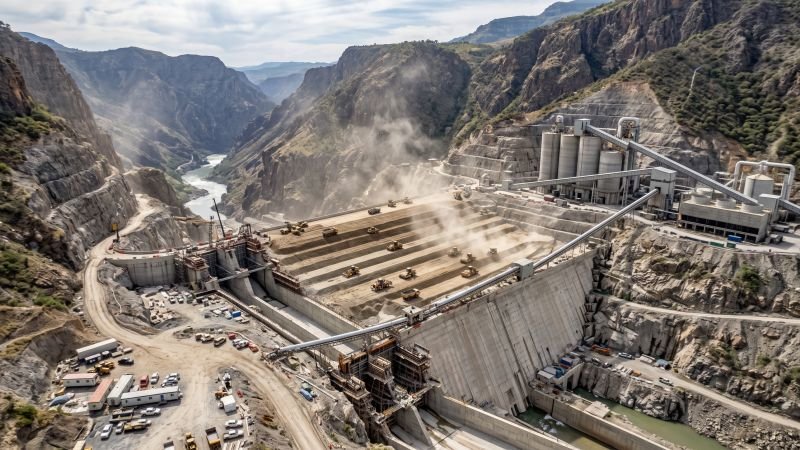
Mass Concrete Pouring for Hydroelectric Dams
Hydroelectric dams hold back millions of gallons of water. Therefore, they require enormous amounts of structural concrete. A batching plant is used to mix specific low-heat concrete for these massive structures. When concrete cures, it naturally generates extreme heat. If a massive dam gets too hot inside, the structure will crack.
To prevent this thermal cracking, engineers use specialized cooling batching plants. These plants physically substitute chipped ice for standard liquid mixing water. This precise temperature control process is similar to how an asphalt milling machine sprays water continuously onto its cutting drum to prevent the metal teeth from overheating and warping under extreme friction. Similarly, the batching plant strictly controls the internal heat of the concrete.
Furthermore, dam projects often utilize Roller Compacted Concrete (RCC). This material is an extremely stiff, dry mix. High-capacity batching plants continuously produce this stiff material to build the dam in rapid layers. Often, these large-scale plants can output between 200 and 400 cubic meters per hour, though actual speeds depend heavily on specific aggregate sizes and integrated chiller capacities. The plant constantly feeds an entire fleet of dump trucks, ensuring the dam wall rises evenly without structural flaws.
Coastal Defense and Seawall Reinforcement
Coastal environments are incredibly hostile to standard building materials. The constant exposure to saltwater rapidly corrodes internal steel reinforcement bars. Consequently, builders use a batching plant to create highly specialized marine-grade concrete. This dense mixture physically blocks ocean water from penetrating the heavy seawall structure.
To achieve this extreme density, the batching plant precisely doses special chemical admixtures and fine powders, such as silica fume. This creates a strictly waterproof barrier. It functions exactly like an anti-corrosive epoxy coating applied directly to steel bridge girders. The dense barrier protects the vulnerable steel underneath from the harsh marine environment.
Here is how a batching plant adjusts the concrete mixture for different coastal defenses:
| Coastal Structure | Concrete Requirement | Primary Structural Function |
|---|---|---|
| Deepwater Breakwaters | High-mass, rapid-setting mix | Resists extreme wave impact safely before the cement fully hardens. |
| Tidal Seawalls | Low-permeability marine mix | Prevents long-term saltwater corrosion of the internal steel rebar. |
By maintaining precise automated control over the mixture, the batching plant ensures the seawall will withstand decades of harsh ocean tides.
Building Wind Turbine Foundations and Power Plant Structures
Wind turbines generate heavy, continuous vibrations. As the massive blades spin, the movement forces intense stress down into the ground. Therefore, the concrete foundation must absorb these constant dynamic loads safely. A batching plant is used to mix the specialized fatigue-resistant concrete required for these massive turbine bases.
A single onshore wind turbine foundation often requires over 400 cubic meters of concrete. This massive volume must be poured continuously in one single event. Why? Because a cold joint in a turbine base will quickly fracture under the spinning vibrations. The solid foundation acts just like the heavy crawler undercarriage of a 100-ton excavator. The massive undercarriage safely absorbs and distributes the violent, shifting forces of the boom arm, keeping the heavy machinery perfectly stable.
Additionally, green energy grids are often built in remote, windy locations far from major cities. Because of this distance, project managers deploy mobile batching plants directly to these isolated sites. This immediate on-site production completely eliminates the risk of concrete drying inside transit mixer trucks during long highway journeys. The batching plant guarantees a continuous, fresh supply of high-strength material precisely where the energy sector needs it most.
Aviation and Heavy-Duty Industrial Paving
Heavy-duty pavements require concrete capable of withstanding immense surface pressure, and batching plants provide the exact high-strength mixtures needed.
A batching plant is used to produce extremely dense, high-strength concrete capable of withstanding immense surface pressure. It allows contractors to rapidly pour thick, durable slabs that safely support the massive weight of commercial airplanes, loaded warehouse forklifts, and heavy port terminal cargo containers.
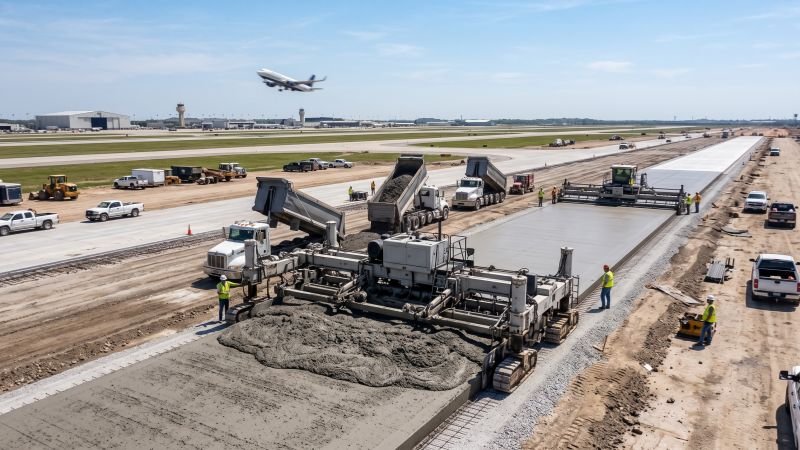
Constructing High-Strength Airport Runways and Taxiways
Commercial airplanes are incredibly heavy. When a commercial jet lands, it transfers hundreds of thousands of pounds of force directly onto the runway. Therefore, airport construction crews rely on batching plants to mix specialized Pavement Quality Concrete (PQC). This unique mix offers extremely high flexural strength to survive repeated high-speed impacts.
The runway concrete must function exactly like the heavily reinforced concrete piles driven deep into the ground to support a skyscraper. Just as those piles must repeatedly absorb massive, violent impacts from a pile-driving hammer without cracking, the runway must absorb the violent touchdown of heavy aircraft safely over decades of continuous use.
To achieve this, the batching plant precisely combines coarse aggregates and low-slump cement. High-capacity aviation plants typically output between 150 and 240 cubic meters of concrete per hour. However, exact production rates depend heavily on the specific twin-shaft mixer size and aggregate density, so always verify exact output capabilities with your supplier based on your project requirements. This rapid production guarantees that heavy slip-form pavers can lay wide strips of runway continuously without stopping.
Pouring Industrial Warehouse Flooring Systems
Modern logistics warehouses require perfectly flat, incredibly hard floors. Heavy-duty forklifts constantly carry massive pallets across these surfaces. Consequently, builders use a batching plant to create highly durable industrial flooring mixtures.
An industrial floor endures constant, grinding friction. It behaves very much like the hardened steel wear plates inside a concrete mixer drum. The wear plates must resist severe grinding from crushed rocks to maintain the machine’s integrity. Likewise, the warehouse floor must resist deep gouges from hard forklift tires and heavy metal storage racks.
Often, developers utilize steel-fiber reinforced concrete. The batching plant uses specialized automated dispensers to distribute tiny metal fibers evenly throughout the wet mix. This critical process prevents the heavy, concentrated point-loads of tall storage racks from cracking the slab.
| Flooring Application | Concrete Requirement | Primary Structural Function |
|---|---|---|
| Heavy Manufacturing Facilities | Steel-fiber reinforced mix | Resists extreme surface abrasion from heavy tracked machinery. |
| High-Bay Storage Warehouses | Shrinkage-compensating mix | Prevents surface curling to ensure perfectly level forklift travel. |
By controlling the precise water-to-cement ratio, the plant guarantees the concrete will not shrink. This creates a perfectly level surface for high-speed automated forklifts.
Developing Port Terminals and Cargo Handling Areas
Shipping ports handle massive global trade volumes. Giant reach stackers drive across the port carrying steel shipping containers weighing up to 30 tons each. To support this extreme dynamic weight, engineers use a batching plant to mix heavy-duty pavement concrete right at the water’s edge.
Port terminals usually utilize extremely thick layers of rigid concrete. The batching plant consistently produces the massive volumes of dense material required for these sprawling yards. Without this exact engineered density, the heavy lifting machinery would quickly crush standard pavement into dust.
The port terminal surface acts exactly like the thick baseplate of an industrial rock crushing machine. The heavy baseplate safely distributes violent, crushing forces down into the solid earth. Similarly, the thick port concrete distributes the extreme, concentrated wheel loads of cargo cranes safely into the subgrade below. As a result, the cargo area remains tough, flat, and fully operational for decades of continuous heavy transit.
Conclusion
From paving massive airport runways to pouring complex skyscraper foundations, batching plants are the operational backbone of modern construction and engineering. By automating the mixing process and ensuring strict quality control over raw materials, these facilities allow contractors to meet the rigorous demands of infrastructure, urban development, and precast manufacturing safely and efficiently. Whether customized for temperature-sensitive dam projects or mobilized for high-speed railway foundations, understanding what a batching plant is used for makes it clear why it is an indispensable asset on any major job site.
If you are ready to optimize your concrete production or need expert guidance on selecting the right equipment for your next large-scale project, contact us today.